Iraq Balances Rival Powers Amid Middle East Tensions
The geopolitical significance of Iraq's struggle to maintain its relationships with both the US and Iran.
On April 30, U.S. President Donald Trump congratulated Ali Al-Zaidi on his nomination to be the next prime minister of Iraq, expressing hope for a renewed relationship between the two countries.
This development highlights the complex geopolitical dynamics at play in the region, particularly as it relates to the ongoing conflict between the U.S. and Iran.
Iraq's strategic position, situated between Tehran and Washington, presents both an asset and a challenge.
The country has become a central battleground for influence between these two global superpowers.
While the U.S. was instrumental in shaping Iraq's post-Saddam Hussein political order through the 2008 Strategic Framework Agreement (SFA), Iran has capitalized on this power vacuum to exert significant influence over Iraqi decision-making processes.
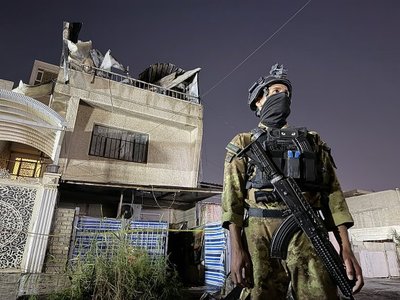
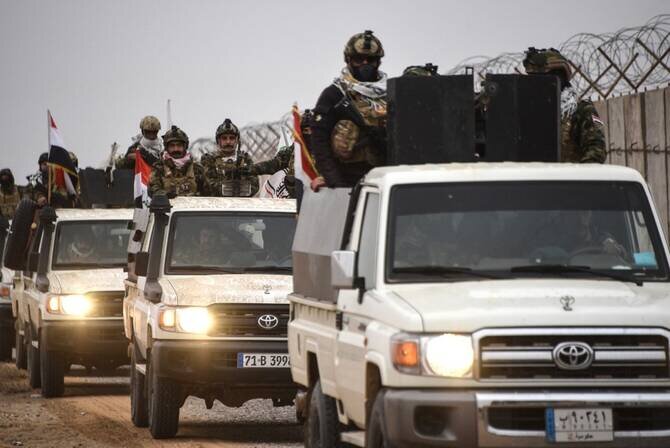
This tension is evident in the integration of Iran-backed Shiite militias into Iraq’s security apparatus via the Popular Mobilization Forces (PMF).
The arrest of Mohammad Baqer Al-Saadi, a 32-year-old Iraqi national accused by the FBI of acting on behalf of Kataib Hezbollah and Iran's Islamic Revolutionary Guard Corps, further exemplifies this complex relationship.
Although Al-Saadi has denied his involvement with these groups, his prosecution reflects growing U.S. pressure on Iraq to disentangle itself from Iranian-aligned factions.
The nomination of Al-Zaidi as prime minister-designate is seen by analysts as an attempt to find a 'compromise candidate' who can satisfy both U.S. demands for a government free from terrorism and Iran's need for continued influence in Iraq.
This balancing act has become increasingly urgent, with key ministries remaining unresolved amid disputes over candidates linked to armed factions.
James Jeffrey, a fellow at the Washington Institute and former senior U.S. diplomat, views the relationship between the U.S. and Iraq as vital and mutually beneficial, serving as a counter to Iran's influence.
However, Hannan Hussain of Initiate Futures argues that while this relationship is important, there are signs of strain due to Iraq’s inability to fully control armed groups perceived as threats by the U.S.
Despite these tensions, both sides seem likely to continue their engagement with each other.
The U.S. maintains several key levers of influence in Iraq, including its control over the country's economy through the 2008 SFA and its ability to restrict the transfer of Iraqi oil revenues.
These factors suggest that Iraq will remain a crucial element of U.S. strategic thinking in the region.
The complex interplay between these superpowers has significant implications for Iraq’s future.
As it navigates growing demands from both the U.S. and Iran, Iraq must balance its need to maintain good relationships with both countries against the pressure to assert its own sovereignty and independence.
This development highlights the complex geopolitical dynamics at play in the region, particularly as it relates to the ongoing conflict between the U.S. and Iran.
Iraq's strategic position, situated between Tehran and Washington, presents both an asset and a challenge.
The country has become a central battleground for influence between these two global superpowers.
While the U.S. was instrumental in shaping Iraq's post-Saddam Hussein political order through the 2008 Strategic Framework Agreement (SFA), Iran has capitalized on this power vacuum to exert significant influence over Iraqi decision-making processes.
This tension is evident in the integration of Iran-backed Shiite militias into Iraq’s security apparatus via the Popular Mobilization Forces (PMF).
The arrest of Mohammad Baqer Al-Saadi, a 32-year-old Iraqi national accused by the FBI of acting on behalf of Kataib Hezbollah and Iran's Islamic Revolutionary Guard Corps, further exemplifies this complex relationship.
Although Al-Saadi has denied his involvement with these groups, his prosecution reflects growing U.S. pressure on Iraq to disentangle itself from Iranian-aligned factions.
The nomination of Al-Zaidi as prime minister-designate is seen by analysts as an attempt to find a 'compromise candidate' who can satisfy both U.S. demands for a government free from terrorism and Iran's need for continued influence in Iraq.
This balancing act has become increasingly urgent, with key ministries remaining unresolved amid disputes over candidates linked to armed factions.
James Jeffrey, a fellow at the Washington Institute and former senior U.S. diplomat, views the relationship between the U.S. and Iraq as vital and mutually beneficial, serving as a counter to Iran's influence.
However, Hannan Hussain of Initiate Futures argues that while this relationship is important, there are signs of strain due to Iraq’s inability to fully control armed groups perceived as threats by the U.S.
Despite these tensions, both sides seem likely to continue their engagement with each other.
The U.S. maintains several key levers of influence in Iraq, including its control over the country's economy through the 2008 SFA and its ability to restrict the transfer of Iraqi oil revenues.
These factors suggest that Iraq will remain a crucial element of U.S. strategic thinking in the region.
The complex interplay between these superpowers has significant implications for Iraq’s future.
As it navigates growing demands from both the U.S. and Iran, Iraq must balance its need to maintain good relationships with both countries against the pressure to assert its own sovereignty and independence.