US May Strike Iran Again in Coming Days, Trump Says
President Trump indicates that a US attack on Iran could occur within the next few days if no agreement is reached.
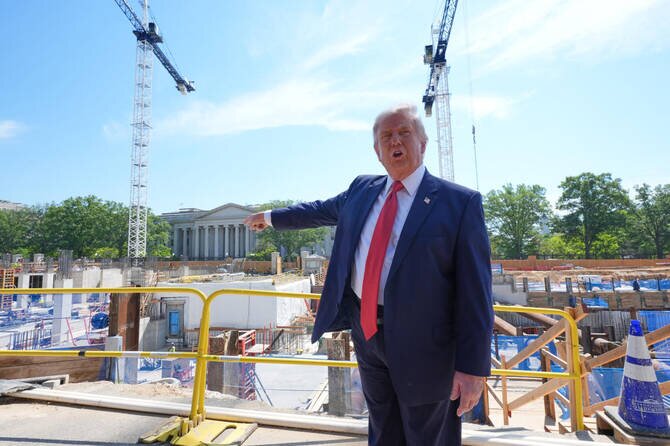
President Donald Trump has stated that the United States may need to launch further strikes against Iran in the coming days.
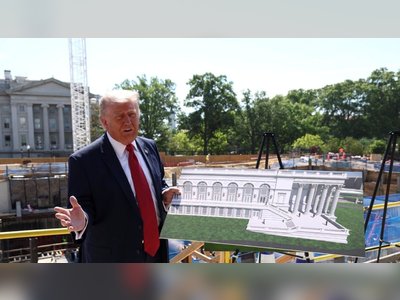
This announcement came during a White House press briefing, where Trump revealed that he had been close to ordering an attack the previous day but decided to delay it instead.Trump suggested that Iranian leaders are seeking a deal and emphasized that if no agreement is reached within the next few days, a new US attack could happen as early as Friday or over the weekend.
He clarified that this potential military action would be limited and aimed at preventing Iran from acquiring a nuclear weapon.Following Trump's remarks, oil prices slightly decreased, with Brent crude trading at $110.26 per barrel, indicating a minor market reaction to the escalating tensions.US Vice President Mike Pence also addressed the press, stating that both countries have made significant progress in their negotiations and that neither side wishes to see the military campaign resume.
In contrast, Ebrahim Azizi, head of Iran's parliament national security committee, claimed that Trump postponed the attack because he understood that any move against Iran would result in a strong military response from Tehran.Tehran has proposed a peace offer that includes ending hostilities across various fronts, including Lebanon, the withdrawal of US forces from regions near Iran, and compensation for damage caused by the ongoing conflict.
Additionally, the proposal seeks the lifting of sanctions imposed on Iran, the release of frozen funds, and an end to the US-imposed marine blockade.While some details of the Iranian proposal remain unchanged from previous offers, Trump dismissed it as 'garbage' last week.
The changing dynamics between the two nations are creating pressure for a resolution that could reopen the Strait of Hormuz, a critical route for global oil supplies.Trump expressed hope on Monday that an agreement preventing Iran from obtaining a nuclear weapon might be achievable without resorting to military force.
He stated that there is a good chance of reaching such an accord if it does not require bombing Iran.Islamabad, which has been mediating the conflict by conveying messages between the US and Iran since hosting peace talks last month, confirmed that they have shared Tehran's proposal with Washington.
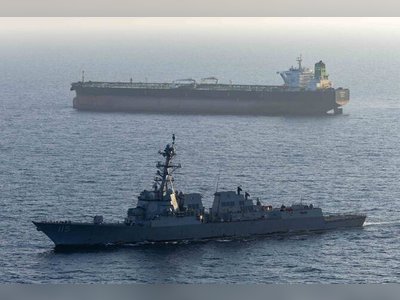
However, concerns remain high regarding security in the Strait of Hormuz as the US and UN Secretary-General discuss efforts to prevent Iran from placing mines or imposing tolls in the waterway.The ongoing conflict has resulted in significant casualties and displacement, particularly affecting Israel and Lebanon.
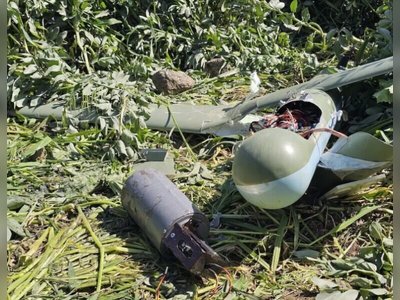
Despite this, the current ceasefire in place since early April has mostly held, except for recent drone attacks launched from Iraq towards neighboring Gulf countries, apparently by Iran and its allies.Both sides continue to adjust their goals as tensions persist, with the US and Israeli governments aiming to limit Iranian support for regional militias, dismantle its nuclear program, destroy missile capabilities, and create conditions for regime change within Iran.
However, these objectives have not yet effectively deprived Iran of its nuclear capabilities or military threats towards neighboring countries.The Islamic Republic's clerical leadership has so far resisted the ongoing conflict with no indications of internal opposition, despite facing mass uprisings at the start of the year.
Furthermore, the US administration recently imposed sanctions on an Iranian foreign currency exchange house and front companies overseeing transactions for Iranian banks.
This announcement came during a White House press briefing, where Trump revealed that he had been close to ordering an attack the previous day but decided to delay it instead.Trump suggested that Iranian leaders are seeking a deal and emphasized that if no agreement is reached within the next few days, a new US attack could happen as early as Friday or over the weekend.
He clarified that this potential military action would be limited and aimed at preventing Iran from acquiring a nuclear weapon.Following Trump's remarks, oil prices slightly decreased, with Brent crude trading at $110.26 per barrel, indicating a minor market reaction to the escalating tensions.US Vice President Mike Pence also addressed the press, stating that both countries have made significant progress in their negotiations and that neither side wishes to see the military campaign resume.
In contrast, Ebrahim Azizi, head of Iran's parliament national security committee, claimed that Trump postponed the attack because he understood that any move against Iran would result in a strong military response from Tehran.Tehran has proposed a peace offer that includes ending hostilities across various fronts, including Lebanon, the withdrawal of US forces from regions near Iran, and compensation for damage caused by the ongoing conflict.
Additionally, the proposal seeks the lifting of sanctions imposed on Iran, the release of frozen funds, and an end to the US-imposed marine blockade.While some details of the Iranian proposal remain unchanged from previous offers, Trump dismissed it as 'garbage' last week.
The changing dynamics between the two nations are creating pressure for a resolution that could reopen the Strait of Hormuz, a critical route for global oil supplies.Trump expressed hope on Monday that an agreement preventing Iran from obtaining a nuclear weapon might be achievable without resorting to military force.
He stated that there is a good chance of reaching such an accord if it does not require bombing Iran.Islamabad, which has been mediating the conflict by conveying messages between the US and Iran since hosting peace talks last month, confirmed that they have shared Tehran's proposal with Washington.
However, concerns remain high regarding security in the Strait of Hormuz as the US and UN Secretary-General discuss efforts to prevent Iran from placing mines or imposing tolls in the waterway.The ongoing conflict has resulted in significant casualties and displacement, particularly affecting Israel and Lebanon.
Despite this, the current ceasefire in place since early April has mostly held, except for recent drone attacks launched from Iraq towards neighboring Gulf countries, apparently by Iran and its allies.Both sides continue to adjust their goals as tensions persist, with the US and Israeli governments aiming to limit Iranian support for regional militias, dismantle its nuclear program, destroy missile capabilities, and create conditions for regime change within Iran.
However, these objectives have not yet effectively deprived Iran of its nuclear capabilities or military threats towards neighboring countries.The Islamic Republic's clerical leadership has so far resisted the ongoing conflict with no indications of internal opposition, despite facing mass uprisings at the start of the year.
Furthermore, the US administration recently imposed sanctions on an Iranian foreign currency exchange house and front companies overseeing transactions for Iranian banks.