Saudi Arabia Condemns Maritime Attacks as Gulf Security Risks Intensify Across Key Shipping Routes
Riyadh’s cabinet statement underscores growing regional concern over threats to territorial waters and the stability of vital Gulf maritime corridors.
ACTOR-DRIVEN security policy is shaping Gulf diplomacy as Saudi Arabia’s cabinet publicly condemned attacks targeting the territorial waters of Gulf states, reflecting escalating concern over maritime security in one of the world’s most strategically sensitive shipping regions.
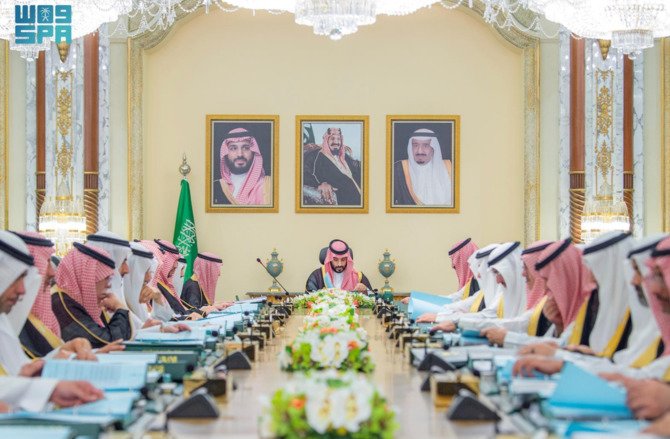
What is confirmed is that Saudi Arabia’s cabinet issued a formal statement denouncing attacks on maritime zones belonging to Gulf states.
The statement frames such incidents as a direct threat to regional stability and to the safety of international navigation routes that pass through the Gulf, which serve as critical arteries for global energy exports and commercial shipping.
The key issue driving this response is the vulnerability of maritime infrastructure and shipping lanes in the Gulf region, where narrow waterways, high traffic density, and proximity to multiple state and non-state actors create persistent security risks.
The Strait of Hormuz and surrounding waters remain central to global oil logistics, making any disruption a matter of immediate international concern.
These developments sit within a broader pattern of heightened maritime insecurity in the region over recent years, where vessels have faced periodic seizures, drone and missile threats, and sabotage allegations involving multiple actors.
While specific incidents referenced by the Saudi statement were not detailed in full publicly within the announcement, the language reflects accumulated concern rather than a single isolated event.
The Gulf Cooperation Council states, including Saudi Arabia, the United Arab Emirates, Bahrain, Kuwait, Oman, and Qatar, have repeatedly emphasized collective responsibility for safeguarding maritime routes.
The latest condemnation reinforces that shared framework, signaling continued alignment on the principle that attacks on shipping or territorial waters are treated as collective security threats rather than isolated bilateral disputes.
The economic implications are significant.
A large proportion of global seaborne oil exports and liquefied natural gas shipments transit through Gulf waters.
Even limited disruption can increase shipping insurance costs, reroute commercial traffic, and introduce volatility into global energy pricing.
As a result, maritime security statements from Gulf governments are closely watched by energy markets and international naval coalitions operating in the region.
The statement also reflects ongoing efforts to deter escalation by establishing clear political red lines around maritime conduct.
By publicly condemning such attacks, Saudi Arabia is signaling both diplomatic resolve and alignment with broader international norms governing freedom of navigation and protection of commercial shipping.
Operationally, Gulf states continue to rely on a mix of national naval forces, regional coordination mechanisms, and external partnerships to monitor and secure maritime routes.
These arrangements are increasingly tested by asymmetric threats, including unmanned systems and covert operations, which are harder to attribute and deter.
The Saudi cabinet’s condemnation therefore functions not only as a political message but as part of an ongoing effort to reinforce deterrence, maintain coalition alignment, and preserve the operational stability of one of the world’s most critical energy corridors.
The continued prioritization of maritime security signals that safeguarding Gulf waters remains a central pillar of regional strategy as tensions across the wider Middle East persist.
What is confirmed is that Saudi Arabia’s cabinet issued a formal statement denouncing attacks on maritime zones belonging to Gulf states.
The statement frames such incidents as a direct threat to regional stability and to the safety of international navigation routes that pass through the Gulf, which serve as critical arteries for global energy exports and commercial shipping.
The key issue driving this response is the vulnerability of maritime infrastructure and shipping lanes in the Gulf region, where narrow waterways, high traffic density, and proximity to multiple state and non-state actors create persistent security risks.
The Strait of Hormuz and surrounding waters remain central to global oil logistics, making any disruption a matter of immediate international concern.
These developments sit within a broader pattern of heightened maritime insecurity in the region over recent years, where vessels have faced periodic seizures, drone and missile threats, and sabotage allegations involving multiple actors.
While specific incidents referenced by the Saudi statement were not detailed in full publicly within the announcement, the language reflects accumulated concern rather than a single isolated event.
The Gulf Cooperation Council states, including Saudi Arabia, the United Arab Emirates, Bahrain, Kuwait, Oman, and Qatar, have repeatedly emphasized collective responsibility for safeguarding maritime routes.
The latest condemnation reinforces that shared framework, signaling continued alignment on the principle that attacks on shipping or territorial waters are treated as collective security threats rather than isolated bilateral disputes.
The economic implications are significant.
A large proportion of global seaborne oil exports and liquefied natural gas shipments transit through Gulf waters.
Even limited disruption can increase shipping insurance costs, reroute commercial traffic, and introduce volatility into global energy pricing.
As a result, maritime security statements from Gulf governments are closely watched by energy markets and international naval coalitions operating in the region.
The statement also reflects ongoing efforts to deter escalation by establishing clear political red lines around maritime conduct.
By publicly condemning such attacks, Saudi Arabia is signaling both diplomatic resolve and alignment with broader international norms governing freedom of navigation and protection of commercial shipping.
Operationally, Gulf states continue to rely on a mix of national naval forces, regional coordination mechanisms, and external partnerships to monitor and secure maritime routes.
These arrangements are increasingly tested by asymmetric threats, including unmanned systems and covert operations, which are harder to attribute and deter.
The Saudi cabinet’s condemnation therefore functions not only as a political message but as part of an ongoing effort to reinforce deterrence, maintain coalition alignment, and preserve the operational stability of one of the world’s most critical energy corridors.
The continued prioritization of maritime security signals that safeguarding Gulf waters remains a central pillar of regional strategy as tensions across the wider Middle East persist.