Saudi Arabia Coordinates Regional Strategy with Qatar and Jordan as Middle East Tensions Persist
High-level diplomatic talks reflect ongoing efforts to manage regional crises, stabilize alliances, and contain spillover from conflicts across the Middle East.
ACTOR-DRIVEN diplomacy is shaping the current phase of Middle East coordination, with Saudi Arabia engaging Qatar and Jordan in high-level discussions focused on regional stability amid overlapping political, security, and humanitarian pressures across the region.
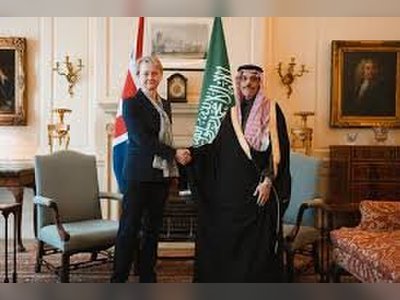
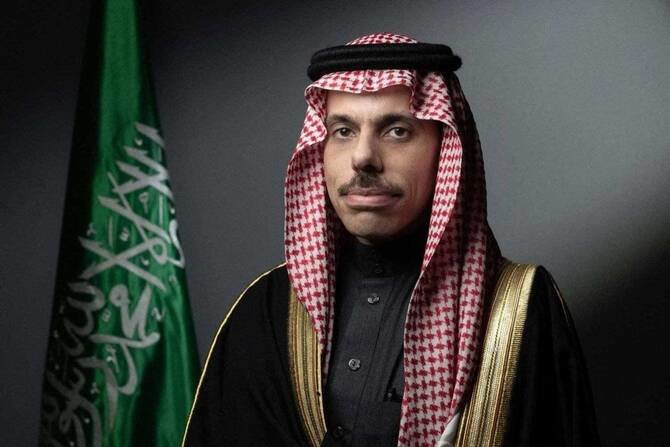
What is confirmed is that Saudi Arabia’s foreign minister has held discussions with his counterparts from Qatar and Jordan addressing regional developments.
These talks form part of a continuing pattern of rapid diplomatic engagement among Gulf and Arab states as multiple crises evolve simultaneously, including conflict dynamics in Gaza, tensions involving Iran, and broader concerns over regional escalation risks.
The core mechanism driving these interactions is not a single event but sustained diplomatic management among neighboring states that share exposure to the same regional volatility.
Saudi Arabia, Qatar, and Jordan each occupy different but interconnected roles: Saudi Arabia as a leading regional power with expanding diplomatic reach, Qatar as a key mediator with established channels to multiple actors, and Jordan as a politically sensitive buffer state with direct exposure to instability in the Levant.
These consultations are part of a broader pattern of intensified regional diplomacy that has become a defining feature of Middle East politics since the escalation of multiple overlapping crises in recent years.
States in the region have increasingly relied on direct leader-to-leader engagement rather than multilateral institutions to respond quickly to fast-moving developments, particularly in conflict zones where diplomatic timelines are compressed by military and humanitarian urgency.
A key issue underpinning the discussions is the risk of regional spillover.
Conflicts involving state and non-state actors across Gaza, Lebanon, Yemen, and the wider Iran-linked network of alliances and proxies have created a security environment where escalation in one theatre can rapidly affect neighboring states through economic disruption, refugee flows, or security incidents.
Saudi Arabia’s engagement reflects its broader strategy of repositioning itself as a central diplomatic broker while balancing normalization efforts, regional de-escalation goals, and internal economic transformation under its long-term development agenda.
Qatar continues to leverage its established mediation role, particularly in channels involving conflicting parties where direct formal diplomacy remains limited.
Jordan’s involvement reflects its critical interest in preventing instability from expanding across its borders and affecting domestic security and infrastructure.
The timing of the talks also reflects heightened sensitivity across global energy and trade routes that intersect with the region.
Maritime security concerns in nearby waterways and the broader risk of disruption to shipping and investment flows add economic weight to what might otherwise appear as purely political consultations.
The practical outcome of these engagements is the maintenance of continuous communication channels among key regional governments, reducing the likelihood of miscalculation and enabling coordinated responses to sudden developments.
While no formal joint action has been announced, the sustained pace of contact signals an ongoing effort to manage instability through diplomacy rather than escalation.
As regional conflicts continue to evolve across multiple fronts, these trilateral and bilateral consultations function as a stabilizing mechanism within a fragmented geopolitical environment, reinforcing the role of direct state-to-state engagement as the primary tool for crisis management in the Middle East.
What is confirmed is that Saudi Arabia’s foreign minister has held discussions with his counterparts from Qatar and Jordan addressing regional developments.
These talks form part of a continuing pattern of rapid diplomatic engagement among Gulf and Arab states as multiple crises evolve simultaneously, including conflict dynamics in Gaza, tensions involving Iran, and broader concerns over regional escalation risks.
The core mechanism driving these interactions is not a single event but sustained diplomatic management among neighboring states that share exposure to the same regional volatility.
Saudi Arabia, Qatar, and Jordan each occupy different but interconnected roles: Saudi Arabia as a leading regional power with expanding diplomatic reach, Qatar as a key mediator with established channels to multiple actors, and Jordan as a politically sensitive buffer state with direct exposure to instability in the Levant.
These consultations are part of a broader pattern of intensified regional diplomacy that has become a defining feature of Middle East politics since the escalation of multiple overlapping crises in recent years.
States in the region have increasingly relied on direct leader-to-leader engagement rather than multilateral institutions to respond quickly to fast-moving developments, particularly in conflict zones where diplomatic timelines are compressed by military and humanitarian urgency.
A key issue underpinning the discussions is the risk of regional spillover.
Conflicts involving state and non-state actors across Gaza, Lebanon, Yemen, and the wider Iran-linked network of alliances and proxies have created a security environment where escalation in one theatre can rapidly affect neighboring states through economic disruption, refugee flows, or security incidents.
Saudi Arabia’s engagement reflects its broader strategy of repositioning itself as a central diplomatic broker while balancing normalization efforts, regional de-escalation goals, and internal economic transformation under its long-term development agenda.
Qatar continues to leverage its established mediation role, particularly in channels involving conflicting parties where direct formal diplomacy remains limited.
Jordan’s involvement reflects its critical interest in preventing instability from expanding across its borders and affecting domestic security and infrastructure.
The timing of the talks also reflects heightened sensitivity across global energy and trade routes that intersect with the region.
Maritime security concerns in nearby waterways and the broader risk of disruption to shipping and investment flows add economic weight to what might otherwise appear as purely political consultations.
The practical outcome of these engagements is the maintenance of continuous communication channels among key regional governments, reducing the likelihood of miscalculation and enabling coordinated responses to sudden developments.
While no formal joint action has been announced, the sustained pace of contact signals an ongoing effort to manage instability through diplomacy rather than escalation.
As regional conflicts continue to evolve across multiple fronts, these trilateral and bilateral consultations function as a stabilizing mechanism within a fragmented geopolitical environment, reinforcing the role of direct state-to-state engagement as the primary tool for crisis management in the Middle East.