0:00
0:00
Saudi Arabia’s Red Sea Oil Exports Set to Reach Record High as Gulf Routes Face Disruption
Shipping data indicates a surge in crude shipments from Red Sea terminals as Saudi Arabia redirects exports away from the Strait of Hormuz.
Saudi Arabia is on track to send record volumes of crude oil from its Red Sea export terminals in March as the kingdom redirects shipments to bypass the increasingly disrupted Strait of Hormuz.
Shipping data and tanker tracking information indicate a sharp rise in departures from the Red Sea port of Yanbu, a key outlet for Saudi crude transported across the kingdom through the East–West pipeline network.
The surge reflects a strategic shift by Riyadh to maintain stable exports while military tensions linked to the conflict involving Iran continue to threaten tanker traffic through the Persian Gulf.
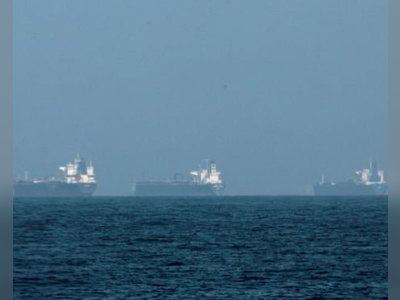
The Strait of Hormuz normally serves as the primary route for oil exports from several Gulf producers and carries roughly one fifth of global petroleum shipments.
With insurers raising premiums and shipping companies becoming increasingly cautious about operating in the area, producers have begun searching for alternative export channels.
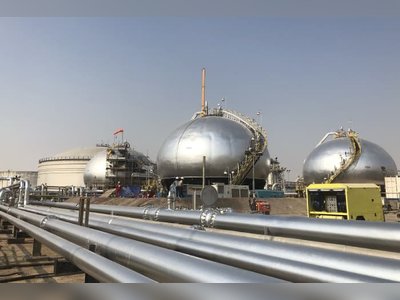
Saudi Arabia’s East–West pipeline, which stretches roughly twelve hundred kilometres from oil fields in the kingdom’s eastern province to the Red Sea coast, has become central to that strategy.
The pipeline allows crude to bypass the Gulf entirely and reach international markets through ports along the Red Sea, significantly reducing exposure to the maritime chokepoint.
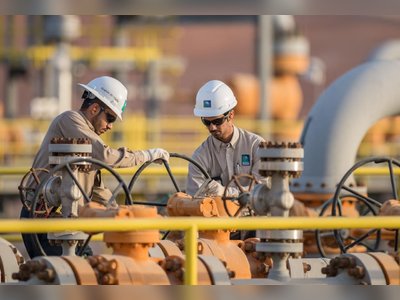
Industry analysts say exports from Yanbu have risen steadily in recent weeks as additional volumes are pumped across the country.
Tanker schedules suggest March shipments could exceed previous records for the Red Sea export corridor, reflecting both higher throughput in the pipeline system and strong demand from international buyers seeking stable supply routes.
Even with the increase, the Red Sea route cannot completely replace the scale of exports that typically pass through the Persian Gulf.
Saudi Arabia exports several million barrels of oil each day, and the East–West pipeline has a maximum capacity of about five million barrels per day.
Nevertheless, the shift has helped cushion global oil markets from the immediate impact of the regional conflict.
By redirecting shipments through alternative infrastructure, Saudi Arabia has been able to sustain deliveries to major customers across Asia and Europe despite the uncertainty surrounding maritime security in the Gulf.
Energy traders say the surge in Red Sea exports highlights the strategic importance of diversified transport routes for oil producers.
In periods of geopolitical instability, pipelines and alternative ports can become critical tools for maintaining supply and preventing severe disruptions to global energy markets.
As tensions around the Strait of Hormuz continue, the ability of Gulf producers—particularly Saudi Arabia—to reroute shipments through land-based infrastructure is likely to remain a key factor shaping the stability of international oil supplies in the weeks ahead.
Shipping data and tanker tracking information indicate a sharp rise in departures from the Red Sea port of Yanbu, a key outlet for Saudi crude transported across the kingdom through the East–West pipeline network.
The surge reflects a strategic shift by Riyadh to maintain stable exports while military tensions linked to the conflict involving Iran continue to threaten tanker traffic through the Persian Gulf.
The Strait of Hormuz normally serves as the primary route for oil exports from several Gulf producers and carries roughly one fifth of global petroleum shipments.
With insurers raising premiums and shipping companies becoming increasingly cautious about operating in the area, producers have begun searching for alternative export channels.
Saudi Arabia’s East–West pipeline, which stretches roughly twelve hundred kilometres from oil fields in the kingdom’s eastern province to the Red Sea coast, has become central to that strategy.
The pipeline allows crude to bypass the Gulf entirely and reach international markets through ports along the Red Sea, significantly reducing exposure to the maritime chokepoint.
Industry analysts say exports from Yanbu have risen steadily in recent weeks as additional volumes are pumped across the country.
Tanker schedules suggest March shipments could exceed previous records for the Red Sea export corridor, reflecting both higher throughput in the pipeline system and strong demand from international buyers seeking stable supply routes.
Even with the increase, the Red Sea route cannot completely replace the scale of exports that typically pass through the Persian Gulf.
Saudi Arabia exports several million barrels of oil each day, and the East–West pipeline has a maximum capacity of about five million barrels per day.
Nevertheless, the shift has helped cushion global oil markets from the immediate impact of the regional conflict.
By redirecting shipments through alternative infrastructure, Saudi Arabia has been able to sustain deliveries to major customers across Asia and Europe despite the uncertainty surrounding maritime security in the Gulf.
Energy traders say the surge in Red Sea exports highlights the strategic importance of diversified transport routes for oil producers.
In periods of geopolitical instability, pipelines and alternative ports can become critical tools for maintaining supply and preventing severe disruptions to global energy markets.
As tensions around the Strait of Hormuz continue, the ability of Gulf producers—particularly Saudi Arabia—to reroute shipments through land-based infrastructure is likely to remain a key factor shaping the stability of international oil supplies in the weeks ahead.