0:00
0:00
Why Saudi Arabia Is Unlikely to Have Wanted U.S. Airstrikes on Iran
Despite long-standing rivalry with Tehran, strategic risks to security, energy exports and economic plans make a wider war deeply problematic for Riyadh.
The escalating conflict involving the United States, Israel and Iran has intensified debate over the position of Saudi Arabia, a regional power often viewed as Tehran’s principal rival.
Yet analysts say several strategic realities make it unlikely that Riyadh actively sought a U.S. military campaign against Iran.
At the core of Saudi caution is the vulnerability of its territory and infrastructure to retaliation.
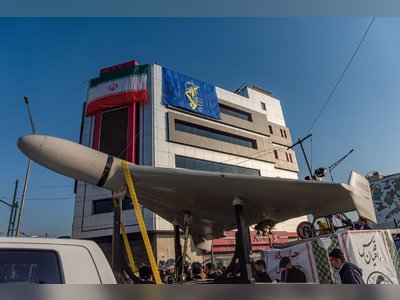
Since the conflict began with U.S. and Israeli strikes on Iran in late February, Iranian missiles and drones have targeted locations across the Gulf region, including Saudi Arabia itself.
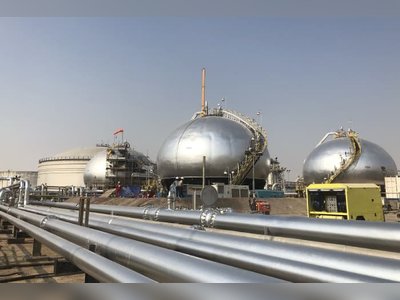
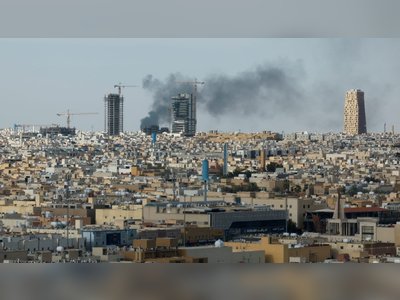
Oil facilities and urban areas have been threatened, and defensive systems have intercepted multiple projectiles aimed at key installations.
The attacks illustrate the risks the kingdom faces whenever tensions with Iran escalate.
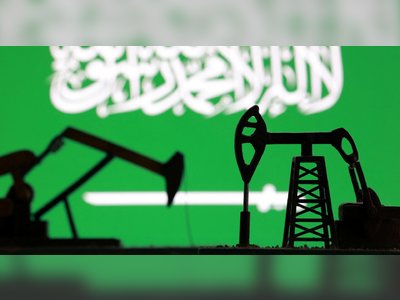
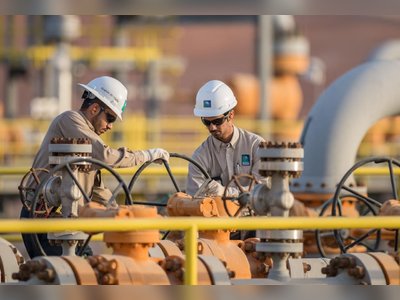
Saudi Arabia’s energy sector—one of the pillars of the global economy—is particularly exposed.
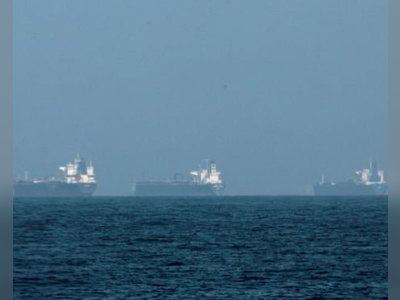
Iranian strikes and regional instability have already disrupted shipping through the Strait of Hormuz, the narrow waterway through which roughly one fifth of the world’s oil supply normally passes.
The conflict has sharply reduced tanker traffic and driven volatility in global energy markets, highlighting the economic stakes for major exporters in the region.
Saudi leaders have therefore emphasized stability in energy markets and the uninterrupted flow of crude oil.
The country has been forced to reroute shipments across its East–West pipeline to Red Sea ports in order to bypass the threatened Gulf shipping corridor, underscoring how quickly regional warfare can threaten export routes and global supply chains.
Economic considerations are equally significant.
The kingdom’s long-term development program, known as Vision 2030, aims to diversify the economy and attract foreign investment across sectors such as tourism, technology and manufacturing.
A prolonged regional war risks undermining those ambitions by deterring investors, disrupting travel and destabilizing financial markets.
Diplomatic calculations also help explain Riyadh’s posture.
In recent years Saudi Arabia and Iran had begun cautiously exploring a process of détente after years of rivalry.
Maintaining channels of communication has been viewed by Saudi policymakers as a way to reduce regional tensions and protect domestic security.
Consistent with that approach, Saudi officials have publicly signalled support for de-escalation and mediation rather than direct military confrontation.
Reports from diplomatic channels indicate the kingdom has sought to avoid allowing its territory or airspace to become a launching point for strikes on Iran, reflecting a broader effort to prevent the conflict from expanding further.
Even as Saudi Arabia condemns Iranian attacks and maintains close strategic ties with the United States, the kingdom’s overriding priority appears to be limiting the war’s regional fallout.
The combination of security vulnerabilities, economic stakes and diplomatic calculations explains why Riyadh’s interests are often aligned with containing the conflict rather than encouraging its escalation.
For policymakers in the Gulf, the lesson of the current crisis is stark: a direct confrontation between major powers and Iran may weaken Tehran in some respects, but it also exposes neighboring states to the immediate dangers of retaliation, economic disruption and regional instability.
Yet analysts say several strategic realities make it unlikely that Riyadh actively sought a U.S. military campaign against Iran.
At the core of Saudi caution is the vulnerability of its territory and infrastructure to retaliation.
Since the conflict began with U.S. and Israeli strikes on Iran in late February, Iranian missiles and drones have targeted locations across the Gulf region, including Saudi Arabia itself.
Oil facilities and urban areas have been threatened, and defensive systems have intercepted multiple projectiles aimed at key installations.
The attacks illustrate the risks the kingdom faces whenever tensions with Iran escalate.
Saudi Arabia’s energy sector—one of the pillars of the global economy—is particularly exposed.
Iranian strikes and regional instability have already disrupted shipping through the Strait of Hormuz, the narrow waterway through which roughly one fifth of the world’s oil supply normally passes.
The conflict has sharply reduced tanker traffic and driven volatility in global energy markets, highlighting the economic stakes for major exporters in the region.
Saudi leaders have therefore emphasized stability in energy markets and the uninterrupted flow of crude oil.
The country has been forced to reroute shipments across its East–West pipeline to Red Sea ports in order to bypass the threatened Gulf shipping corridor, underscoring how quickly regional warfare can threaten export routes and global supply chains.
Economic considerations are equally significant.
The kingdom’s long-term development program, known as Vision 2030, aims to diversify the economy and attract foreign investment across sectors such as tourism, technology and manufacturing.
A prolonged regional war risks undermining those ambitions by deterring investors, disrupting travel and destabilizing financial markets.
Diplomatic calculations also help explain Riyadh’s posture.
In recent years Saudi Arabia and Iran had begun cautiously exploring a process of détente after years of rivalry.
Maintaining channels of communication has been viewed by Saudi policymakers as a way to reduce regional tensions and protect domestic security.
Consistent with that approach, Saudi officials have publicly signalled support for de-escalation and mediation rather than direct military confrontation.
Reports from diplomatic channels indicate the kingdom has sought to avoid allowing its territory or airspace to become a launching point for strikes on Iran, reflecting a broader effort to prevent the conflict from expanding further.
Even as Saudi Arabia condemns Iranian attacks and maintains close strategic ties with the United States, the kingdom’s overriding priority appears to be limiting the war’s regional fallout.
The combination of security vulnerabilities, economic stakes and diplomatic calculations explains why Riyadh’s interests are often aligned with containing the conflict rather than encouraging its escalation.
For policymakers in the Gulf, the lesson of the current crisis is stark: a direct confrontation between major powers and Iran may weaken Tehran in some respects, but it also exposes neighboring states to the immediate dangers of retaliation, economic disruption and regional instability.