Arab Press

بالشعب و للشعب
Thursday, Jul 16, 2026

Robots threaten to replace hundreds of thousands of oil & gas jobs by 2030

Robots threaten to replace hundreds of thousands of oil & gas jobs by 2030

Robots could steal the jobs of around one in five oil and gas workers worldwide in the next 10 years as more companies turn to automation to cut costs, new analysis from Rystad Energy shows.

In a report published earlier this week, Rystad Energy projected that at least 20% of the jobs in sectors such as drilling, operational support and maintenance could become automated by 2030. This could affect over 400,000 jobs in some key energy-producing countries, according to the firm.

Rystad Energy’s calculations show that Russian and US employees could be hit hardest by the adoption of robotics across the petroleum industry, with as many as 200,000 and 140,000 people respectively possibly losing their jobs. However, the study did not say anything about possible job losses in Saudi Arabia, the world’s biggest oil exporter.
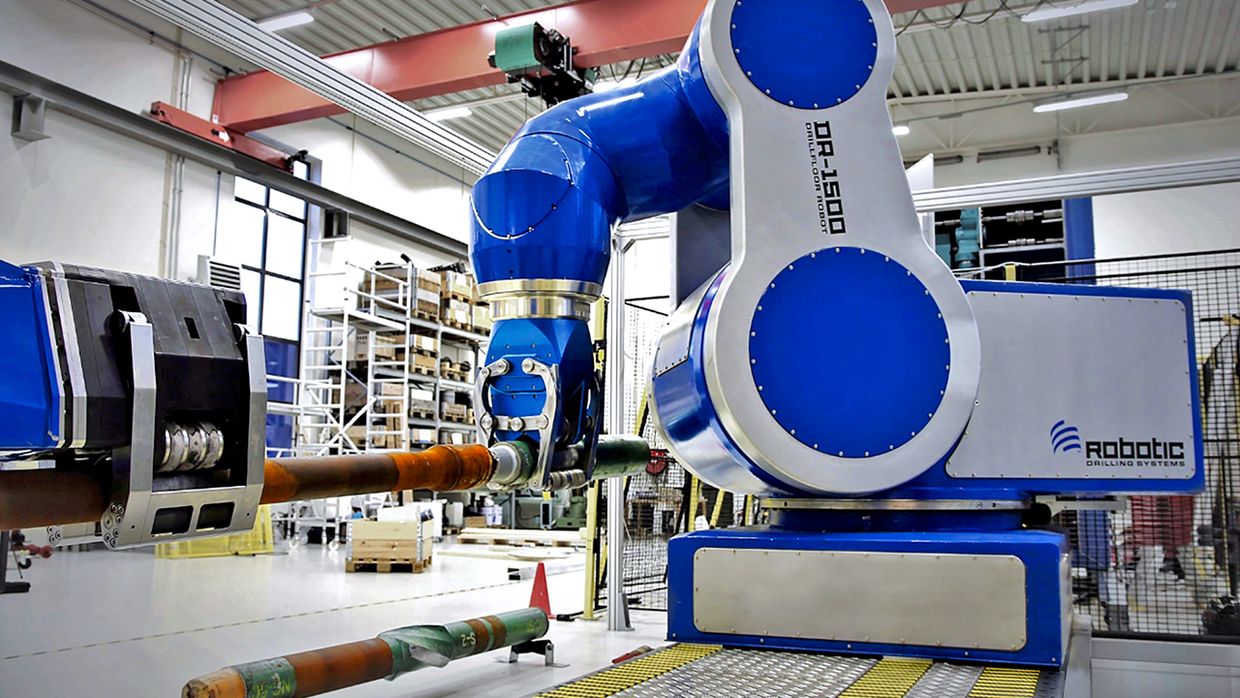
Electric Drill Floor Robot


Robots capable of replacing some roughnecks are being developed by Texas-based oil and gas drilling contractor Nabors. The company’s website offers a wide range of robots capable of working on drilling rigs. For instance, its ‘Electric Drill Floor Robot’ can “reduce the need for manual labor on a rig’s drill floor,” while its ‘Electric Robotic Roughneck’ can replace “the need for casing crews.”
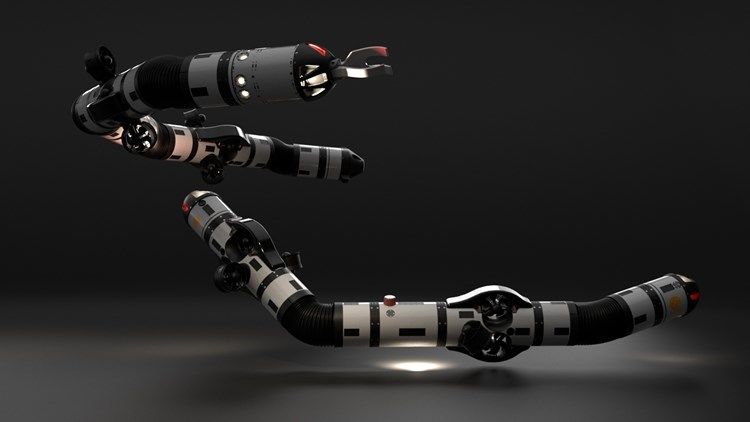
Eelume robot


The adoption of robotics in the area of inspection, maintenance and repair (IMR) operations, especially for subsea activities, has gained the most traction among operators in recent years, according to Rystad Energy. This includes remotely operated vehicles (ROVs) and the snake-like robotics arms, like those developed by Kongsberg Maritime in partnership with the Norwegian national oil and gas company Equinor.


While no worker would be happy to hear that he is being replaced by a robot, the companies they work for are set to benefit from the transition. Rystad Energy estimates that they can reduce drilling labor costs by several billion dollars in 10 years. For example, cuts in offshore and onshore drilling crews could save US companies alone $7 billion in wages.

However, those savings could be partially offset by the considerable investment needed to introduce those solutions, according to Sumit Yadav, energy service analyst at Rystad Energy. Companies’ benefits would also depend “on the cost structure and whether the robots are owned or leased,” he added.

On the bright side, the energy experts say that not all automated solutions lead to a reduction in manpower. They also noted that full-scale adoption of robots may come not so fast. First, tests are still required to see how reliable robots can be in “complex 3D environments” like offshore platforms. Limited communication capabilities between robot units is another challenge, which could be both complex and costly to overcome.

Moreover, labor organizations are likely to resist robot-induced job cuts, while robotized work processes may face regulatory scrutiny, according to the analysts.

Comments

M M 5 year ago
Yes for sure, let's get rid of those employees, they're just cutting into shareholder profits! The lowly labourers can be put on Universal Basic Income, they will own nothing and they will be happy! Pathetic.

Newsletter

Related Articles

Arab Press
0:00
0:00
Close
Spain in Ecstasy: "We Feel Unbeatable, We Taught the Whole World a Lesson"
Harvard Astrophysicist to Lead U.S. Scientific Advisory on Unidentified Aerial Phenomena
Emergency Sirens Activated Across Bahrain as Interior Ministry Issues Shelter Directives
World Cup Visitors Turn American Big-Box Stores Into Souvenir Stops
Netflix Weighs Always-On Channels, Bundles and Short-Form Video
The AI Invoice Shock: Layoffs Didn't Save Managers Money — They Cost Them More
Concern: Sexually Transmitted Bacterium Among Men Develops Antibiotic Resistance
Passenger Partially Pulled Out of Ryanair Jet After Cabin Window Fails Mid-Flight
Severe Heatwave Drives Dangerous Ground-Level Ozone Pollution Across Two Thirds of European Union
The Physical and Electronic Barriers Disrupting Domestic Wireless Networks
France and Morocco Open World Cup Quarter-Finals as Collina Defends Refereeing
Tech Pulse: The Future of AI and Screen Culture
Global News Briefing: Escalating Geopolitical Tensions and Corporate Shakeups
Global News Brief: Escalating Conflicts, Public Health Crises, and World Cup Drama
Europe's Growing Struggle with Extreme Heat and Air Conditioning
Anthropic Reengineers Agentic Architecture to Shift Autonomous Workplace Automation to the Cloud
Logic Flaw in Windows 11 Permission Architecture Silently Consumes Hundreds of Gigabytes of Local Storage
Apple Advances Late-Stage Operating Systems with Fourth Beta Deployments
Global Crisis Alert: Escalating Middle East Tensions and UK Political Upheaval
Japanese Technology Firm Fujitsu Launches Advanced Artificial Intelligence Tool for Corporate Disclosures
South Africa Officially Launches Nationwide Campaign for Highly Contested Local Government Elections
United Kingdom Commits Additional Funding for Unexploded Ordnance Clearance in Laos
Singapore Announces Stringent New Greenhouse Gas Regulations for Commercial Cooling Systems
Cambodia and Thailand Hold High-Level Border Security Talks at United Nations Headquarters
Myanmar Military Government and China Sign Major Agreement to Upgrade Media and Cultural Cooperation
Knife Attack at Swiss Train Station Leaves Three Injured in Suspected Act of Domestic Terrorism
Transnational Extortion Gang Threatens Canadian Police With Army of One Thousand Armed Operatives
Australia Imposes Forty-Two-Day Quarantine on Cruise Ship Passengers Following Deadly Hantavirus Outbreak
International Monetary Fund Unlocks Seven Hundred Million United States Dollars for Sri Lanka Following Economic Reforms
Australia Launches Record One Point Four Billion Dollar Lawsuit Against Chemical Giant 3M Over Contamination
China and Canada Foreign Ministers Meet in Ottawa in Effort to Stabilize Strained Diplomatic Ties
Indonesia Demands Urgent United Nations Security Council Reform Amid Escalating Global Conflicts
Extreme Weather Patterns Trigger Severe Drought in Madagascar and Destructive Flooding in East Africa
Indian State of Karnataka Faces Political Upheaval as Chief Minister Siddaramaiah Abruptly Resigns
Philippines and Japan Reaffirm Defense Ties as Crucial for Indo-Pacific Regional Stability
Norway Joins French Nuclear Deterrence Initiative in Major Shift for European Security Architecture
Global Critical Mineral Alliances Expand as Western Nations Move to Counter Chinese Supply Dominance
United States Imposes Fifty Percent Tariffs on Mexican Steel and Aluminum Ahead of Trade Pact Review
European Union and China Head Toward Major Trade Conflict Over Clean Technology Exports
United States Economic Growth Severely Downgraded to One Point Six Percent as Stagflation Fears Mount
World Health Organization Warns Central African Ebola Epidemic is Outpacing Containment Efforts
United States Treasury Department Conditions Sanctions Relief on Reopening of the Strait of Hormuz
Iranian Air Defenses Intercept and Destroy United States Military Drone Over Bushehr Province
Iranian Armed Forces Launch Ballistic Missiles Toward Unspecified Targets Prompting Regional Condemnation
United Nations Secretary-General Warns Global Order Facing Highest Level of Conflict Since 1945
Israel Issues Sweeping Evacuation Orders in Southern Lebanon Amid Intensified Hezbollah Conflict
Russia Announces Systemic Military Strikes Targeting Ukrainian Defense and Energy Infrastructure
United States and Iranian Negotiators Reach Draft Agreement to Extend Ceasefire and Resume Nuclear Talks
United Nations Security Council Deeply Divided Over United States Capture of Venezuelan President
US and Iran Exchange Direct Military Strikes Amid Fragile Gulf Ceasefire
×