0:00
0:00
Iran Expands Drone and Missile Campaign Across Gulf as Conflict With US and Israel Intensifies
Attacks on bases, ports and energy facilities across multiple Gulf states deepen regional instability and threaten global energy routes.
Iran has intensified a wave of missile and drone attacks across the Gulf region as the conflict triggered by US and Israeli military operations against Iranian targets continues to spread beyond Iran’s borders.
Since the beginning of the war in late February, Iranian forces and affiliated groups have launched repeated strikes on military installations, energy infrastructure and strategic transport routes across several Gulf states.
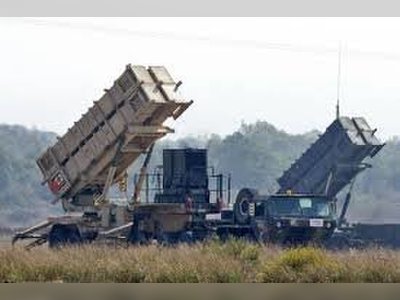
Air defence systems across the region have been activated frequently as missiles and drones approach key sites in countries including Saudi Arabia, Kuwait, Bahrain and the United Arab Emirates.
Regional officials say the attacks represent a direct response to the joint US and Israeli military campaign targeting Iranian military capabilities.
Washington and Jerusalem have conducted extensive strikes on Iranian bases, missile facilities and strategic infrastructure, prompting Tehran to broaden its retaliation across the Gulf.
In recent days, explosions and drone interceptions have been reported near ports, airports and oil facilities throughout the region.
Air defence systems in several countries have destroyed incoming projectiles, though some strikes have damaged infrastructure and forced temporary shutdowns of energy and logistics operations.
The United Arab Emirates has emerged as one of the most heavily targeted locations, with drones striking areas near major commercial hubs and oil export terminals.
In Kuwait, a drone strike on a logistics facility connected to a United States military installation caused casualties and damage, highlighting the expanding scope of the confrontation.
The scale of Iran’s operations has been unprecedented.
Military analysts estimate that hundreds of ballistic missiles and thousands of drones have been launched across the region since the war began, forcing Gulf countries to coordinate their air defence systems and strengthen security around vital infrastructure.
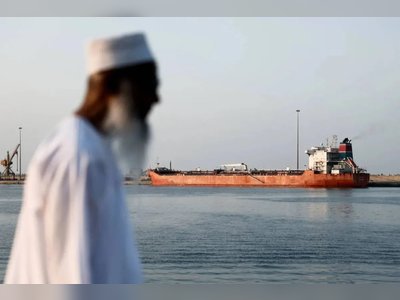
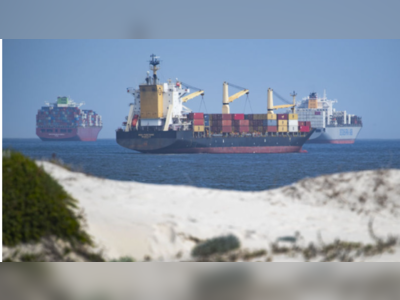
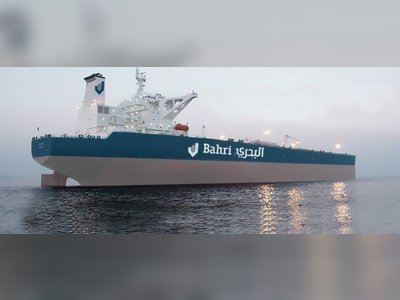
The attacks have also disrupted maritime traffic in the Strait of Hormuz, the narrow waterway through which roughly one-fifth of the world’s oil supply passes.
Shipping companies and insurers have raised risk warnings as tensions continue to threaten the safe passage of tankers through the Gulf.
Despite the escalation, US officials have maintained that American forces remain fully prepared to protect regional allies and keep international shipping lanes open.
President Donald Trump has emphasized that the United States retains overwhelming military strength and continues to lead efforts to stabilize the region alongside partners.
As the conflict enters its third week, governments across the Middle East and beyond are increasingly concerned that the widening pattern of attacks could draw more countries into the confrontation, raising the prospect of a prolonged regional crisis with significant economic and geopolitical consequences.
Since the beginning of the war in late February, Iranian forces and affiliated groups have launched repeated strikes on military installations, energy infrastructure and strategic transport routes across several Gulf states.
Air defence systems across the region have been activated frequently as missiles and drones approach key sites in countries including Saudi Arabia, Kuwait, Bahrain and the United Arab Emirates.
Regional officials say the attacks represent a direct response to the joint US and Israeli military campaign targeting Iranian military capabilities.
Washington and Jerusalem have conducted extensive strikes on Iranian bases, missile facilities and strategic infrastructure, prompting Tehran to broaden its retaliation across the Gulf.
In recent days, explosions and drone interceptions have been reported near ports, airports and oil facilities throughout the region.
Air defence systems in several countries have destroyed incoming projectiles, though some strikes have damaged infrastructure and forced temporary shutdowns of energy and logistics operations.
The United Arab Emirates has emerged as one of the most heavily targeted locations, with drones striking areas near major commercial hubs and oil export terminals.
In Kuwait, a drone strike on a logistics facility connected to a United States military installation caused casualties and damage, highlighting the expanding scope of the confrontation.
The scale of Iran’s operations has been unprecedented.
Military analysts estimate that hundreds of ballistic missiles and thousands of drones have been launched across the region since the war began, forcing Gulf countries to coordinate their air defence systems and strengthen security around vital infrastructure.
The attacks have also disrupted maritime traffic in the Strait of Hormuz, the narrow waterway through which roughly one-fifth of the world’s oil supply passes.
Shipping companies and insurers have raised risk warnings as tensions continue to threaten the safe passage of tankers through the Gulf.
Despite the escalation, US officials have maintained that American forces remain fully prepared to protect regional allies and keep international shipping lanes open.
President Donald Trump has emphasized that the United States retains overwhelming military strength and continues to lead efforts to stabilize the region alongside partners.
As the conflict enters its third week, governments across the Middle East and beyond are increasingly concerned that the widening pattern of attacks could draw more countries into the confrontation, raising the prospect of a prolonged regional crisis with significant economic and geopolitical consequences.