Saudi Arabia Unveils $64 Billion Private Capital Drive to Fuel Privatisation and Growth
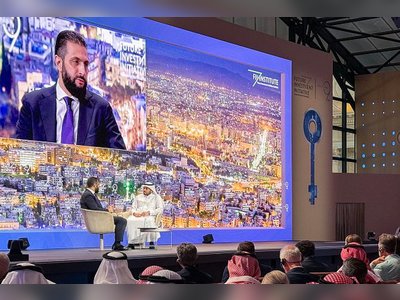
Saudi Arabia has launched a sweeping National Privatisation Strategy designed to attract approximately $64 billion in direct private capital investment by the end of the decade, marking a strategic shift in the Kingdom’s economic transformation under Vision 2030.
The government initiative, facilitated by the National Centre for Privatisation and Public-Private Partnerships (NCP), aims to mobilise private sector participation across a wide range of sectors, including infrastructure, transport, utilities and public services.
The strategy sets out more than 220 public-private partnership (PPP) opportunities spanning 18 targeted sectors, offering a suite of investment avenues for domestic and international capital.
Among the priority projects are strategic water reservoirs, urban transit networks and the development of regional airports, all intended to enhance public infrastructure while reducing reliance on state expenditure.
Saudi officials have characterised the plan as a transition from policy formulation to large-scale execution, with a focus on delivering tangible economic and social impact.
Implementation of the programme is underpinned by regulatory reforms, improved governance frameworks and incentives aimed at facilitating private participation.
These include streamlined investor licensing procedures, enhanced dispute-resolution mechanisms and greater protection for foreign investors, reflecting Riyadh’s broader effort to align its market with global investment standards.
By integrating private capital more deeply into the national economy, authorities hope to unlock value from state-owned assets and stimulate job creation while driving sustainable growth.
The initiative forms a core part of Saudi Arabia’s Vision 2030 economic agenda, which seeks to diversify the Kingdom’s revenue base away from oil and foster a more dynamic, market-oriented economy.
By leveraging private sector expertise and financing, the government aims to support large-scale infrastructure development, enhance public service delivery and encourage long-term investment partnerships that contribute to economic resilience.
Observers say that if successfully executed, the $64 billion capital drive could significantly strengthen Saudi Arabia’s role as a global investment destination and accelerate its transition to a diversified growth model.