Saudi Arabia Reframes Its Modern Art Legacy as Global Institutions Turn to the Gulf
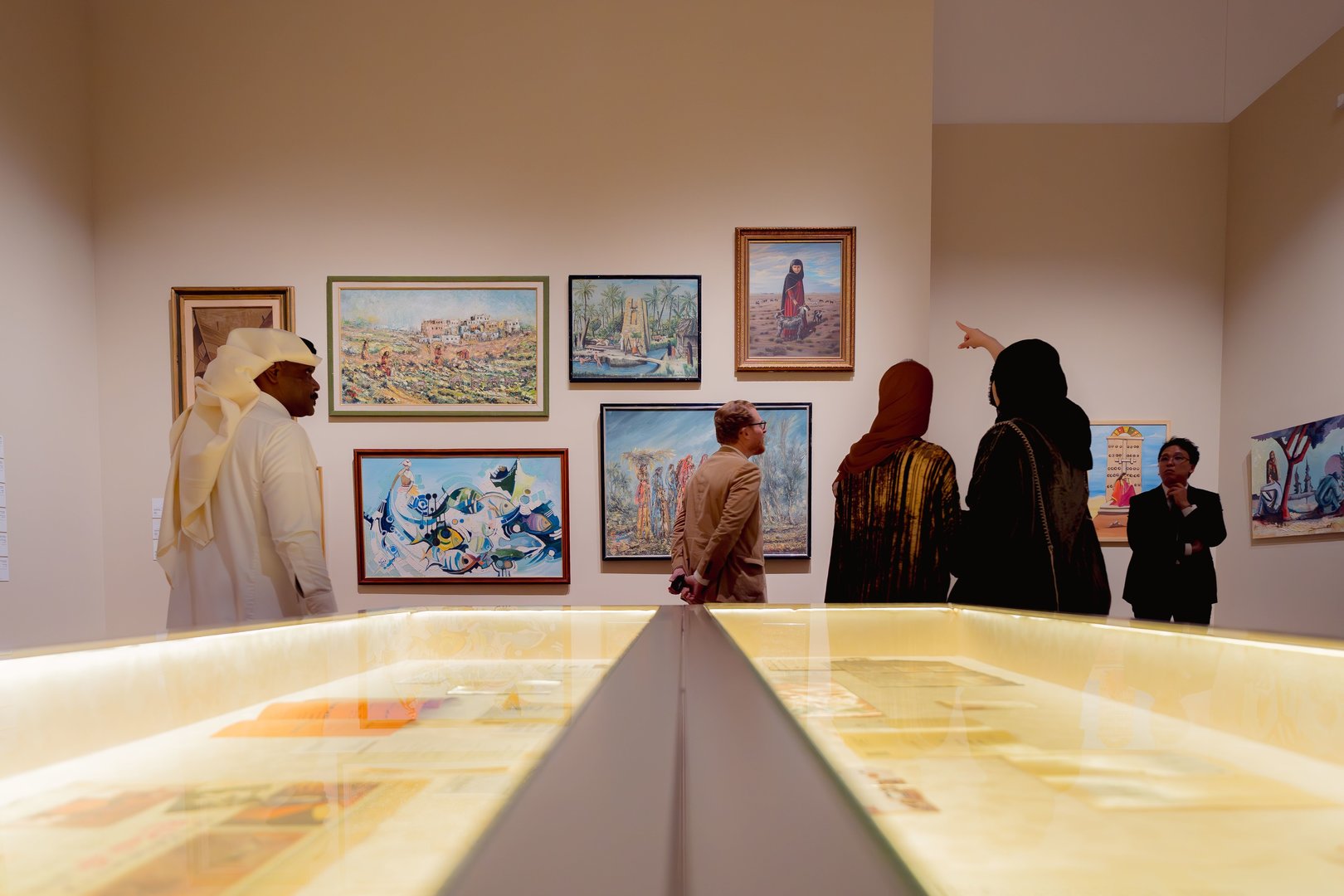
Saudi Arabia is foregrounding its modern art history and expanding its cultural infrastructure at a moment when global attention on the Gulf’s art scene is intensifying. In Riyadh, the National Museum of Saudi Arabia is hosting Beginnings of the Saudi Art Movement, an exhibition tracing the evolution of modern and abstract art in the kingdom from the 1960s to the 1980s with more than two hundred fifty works by seventy-three artists and archival material. The show emphasises the period when institutional support and cultural connections abroad helped local artists develop distinctive visual languages, marking a foundational chapter in the nation’s artistic history.
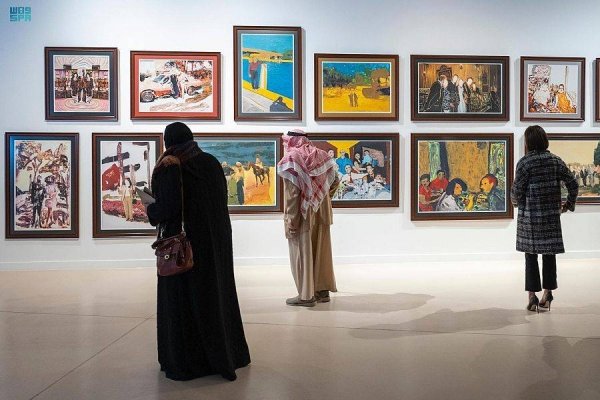
The focus on historical art precedes and complements Saudi Arabia’s broader cultural expansion under its Vision 2030 agenda, which has seen projects such as the Diriyah Contemporary Art Biennale and pioneering institutions like Diriyah Art Futures, a digital and new media art centre that underscores the kingdom’s investment in both traditional and cutting-edge artistic practice. Parallel initiatives, including the opening of Riyadh’s Misk Art Institute exhibitions and the soon-to-open Red Sea Museum in Jeddah, reflect sustained efforts to build venues that celebrate artistic heritage alongside contemporary creation.
Saudi collectors and institutions are also attracting international participation. Sotheby’s has staged multiple auctions in Riyadh, including Origins II, positioning Saudi and Middle Eastern artists alongside global masters and deepening engagement between local markets and international collectors. Meanwhile, domestic art investment is being facilitated by innovative financial mechanisms such as the Audi Capital MENA Art Fund, the first regulated art investment vehicle in the region, aimed at supporting modern and contemporary works from Saudi and broader Middle Eastern artists.
The country’s cultural diplomacy extends beyond exhibitions and markets. AlUla’s new Contemporary Art Museum, launched during the AlUla Arts Festival, brings together works by global artists, bridging Saudi heritage with modern artistic discourse. Through these endeavours, Saudi Arabia is not only preserving earlier creative achievements but also positioning itself as a dynamic centre in the global art world, attracting increasing institutional, collector and market interest in Gulf cultural production. The kingdom’s strategy reflects a recognition that its artistic heritage — from pioneering modernists to today’s innovators — can serve as both cultural foundation and international calling card as the wider region’s influence on global art grows.