Arab Press

بالشعب و للشعب
Sunday, Aug 09, 2026

How wearables could help detect the next Covid-19 outbreak

How wearables could help detect the next Covid-19 outbreak

Your Apple Watch or Fitbit could help detect a Covid-19 outbreak, especially when wearable data is combined with reporting of symptoms. A new US study has shown that the two sources of data improve chances of early detection.

A new study by scientists describes a tool that could help public health officials spot and contain Covid-19 outbreaks. You might already be wearing it.

One in five Americans owns a wearable device, such as a Fitbit or Apple Watch. These gadgets monitor your heart rate, how many steps you take, and your sleep patterns – measurements that often change when you’re sick.

Scientists from at Scripps Research in La Jolla, California, found that combining wearable device data with symptoms better predicted if a person had Covid-19. That makes these popular devices a way to potentially track the scope and spread of the pandemic, says Dr Eric Topol, director and founder of the Scripps Research Translational Institute and executive vice-president of Scripps Research.

“Everyone talks about ‘test, test, test’. That isn’t working,” said Topol, one of the study’s authors. “We need other ways to track the toll of the virus and who might be affected.”
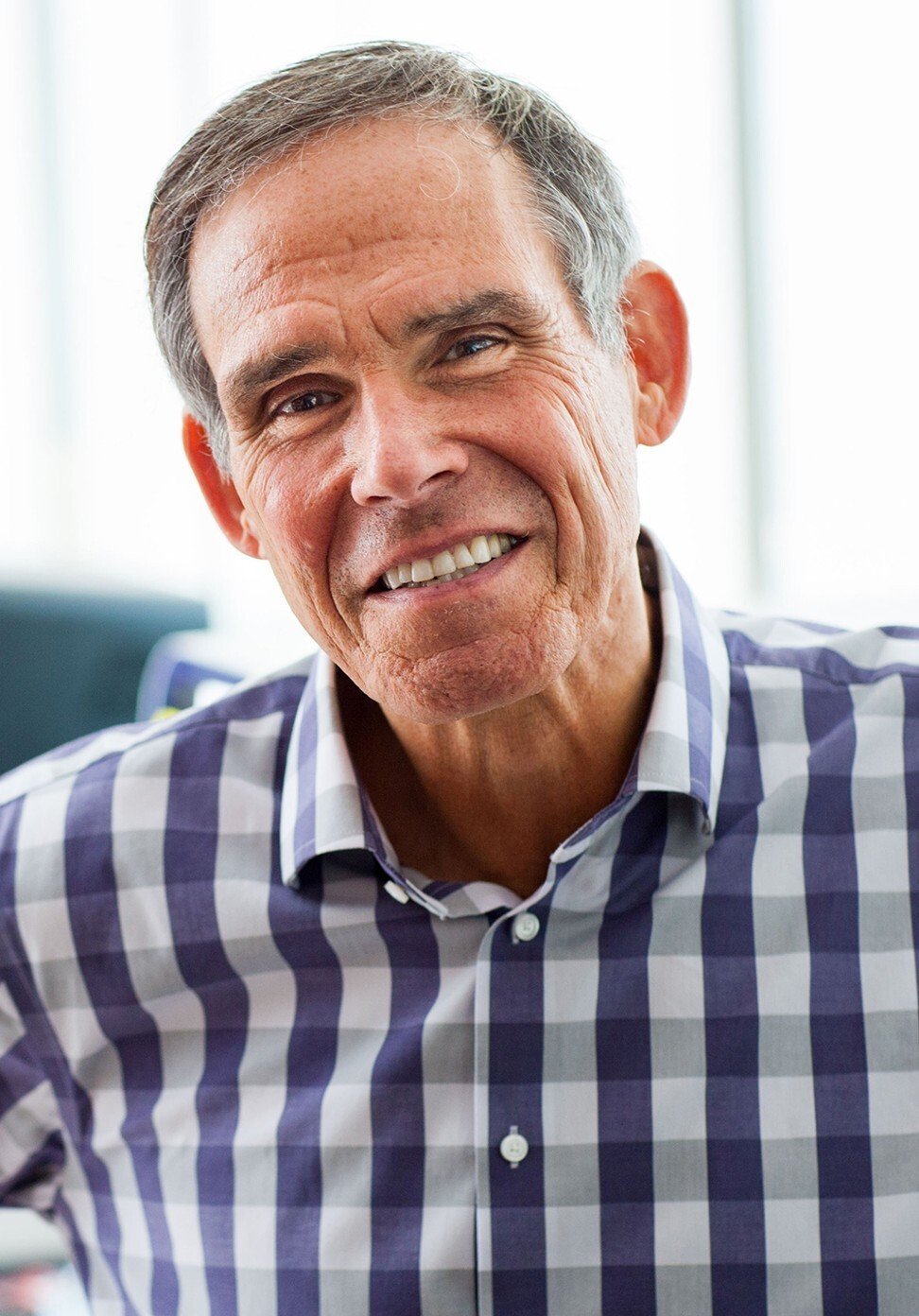

Dr Eric Topol, director and founder of the Scripps Research Translational Institute and executive vice-president of Scripps Research.


The study findings, published in the journal Nature Medicine, are part of a study called Detect – for Digital Engagement & Tracking for Early Control & Treatment. Roughly 30,000 people across the US enrolled between March 25 and June 7, sharing data from their wearable devices and reporting symptoms when they felt sick.

About 3,800 participants reported symptoms that ranged from a stomach ache to a cough to difficulty breathing and a loss of taste and smell. Of those who felt sick, 333 were tested for Covid-19; 54 tested positive and 279 tested negative.

The researchers then tried to predict who would test positive or negative with a statistical model based on self-reported symptoms; it performed about as well as a model based on wearable device data (heart rate, step count and sleep length). But combining the two predicted Covid-19 test results best.

“I see this approach as being more useful on a population level, in terms of seeing more activity in a population over time,” said Dr Chip Schooley, an infectious diseases specialist at the University of California at San Diego, who was not involved in the study.

Topol agrees, noting that researchers could regularly monitor wearable device data and self-reported symptoms to spot Covid-19 outbreaks and tip off public health officials, who could then ramp up community testing and other measures to curtail the spread of the virus.
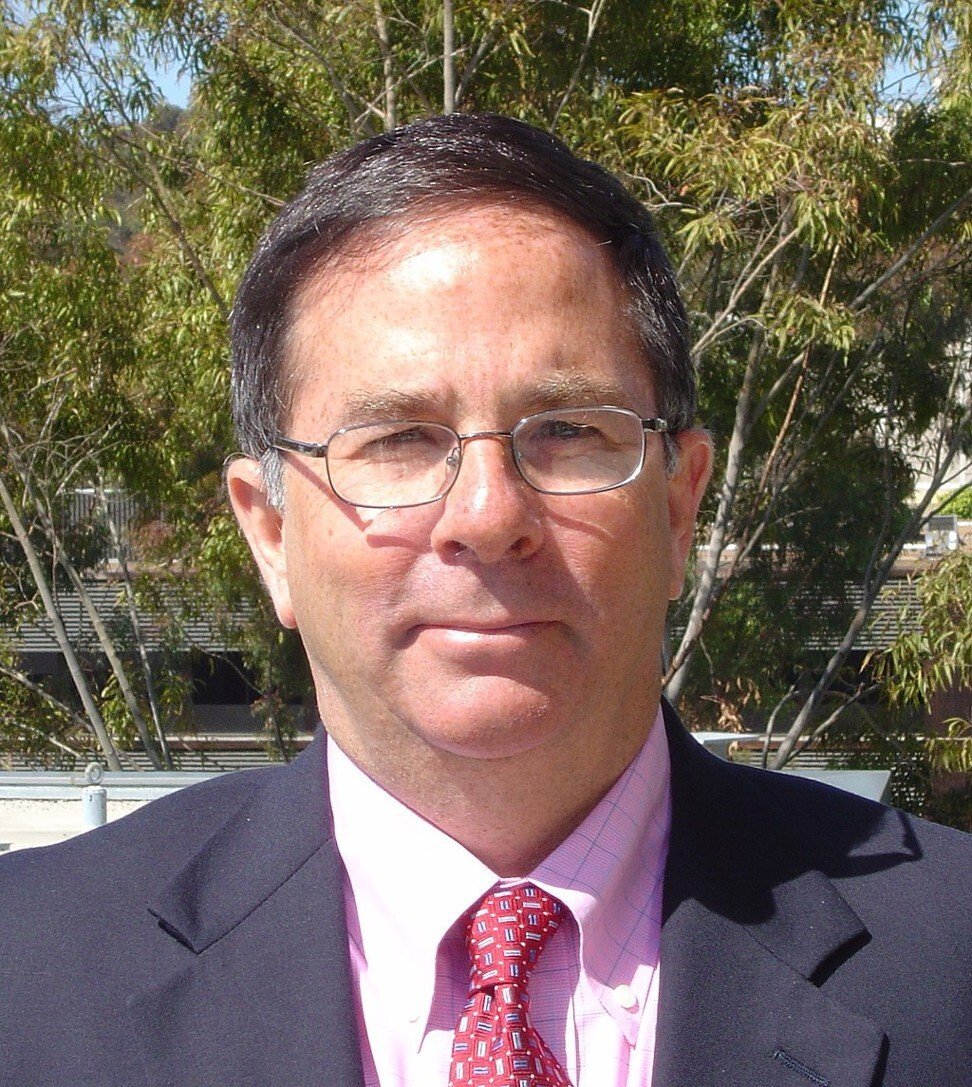

Dr Chip Schooley is an infectious diseases specialist at the University of California at San Diego.


So far, the United States has struggled to slow the pandemic. More than 9.5 million Americans have been infected with the coronavirus so far and 234,000 have died. The US is now reporting more than one new Covid-19 case each second.

The Detect study is ongoing, with researchers looking to enrol 100,000 participants. To learn more about the study, visit detectstudy.org.

Newsletter

Related Articles

Arab Press
0:00
0:00
Close
AI’s Next Bottleneck Is Power, Not Just Nvidia Chips
Meta Raises AI Spending Target to as Much as $145bn Despite Pressure Over Returns
Joe Biden’s Cancer Has Spread Beyond His Bones, Hunter Biden Says
Why 2027 Could Be a Strong Year for Stocks—and Why the Forecast Is Fragile
Why Markets May Look Quiet in August After Big Tech Earnings
Trump’s Top General Seeks an Exit Strategy From Iran War, Report Says
UFO: Pentagon Releases Video of Unidentified Object Tracked Over Middle East
Ukraine Tells Senate Republicans Its Drone War Offers a Blueprint for America
Weight-Loss Drug Boom Tests the Limits of Prescription Advertising Rules
Saudi Arabia, Turkey and Pakistan Sign Mutual-Defence Pact
AI Is Remaking the US Economy, From GDP Growth to iPhone Prices
FIFA’s Retreat Leaves a Larger Question Over Who Guards the Game
Finland Deploys Commercial-Scale Thermal Batteries Using Crushed Rock to Store Renewable Grid Energy
Valued at $109 Million: F-35B Fighter Jet Crashes in Southern California
US Says It Has Carried Out Heavy Strikes on Iran After Attempted Attacks on Its Forces
Over 24 Hours in the Air: Qantas Airbus Completes Record-Breaking Test Flight
Arrest Warrant Issued in Lebanon for Tycoon Spotted Meeting Netanyahu in Washington
Trump says Israel ‘would not survive’ without US
Nvidia Reportedly Takes Vast Texas Data-Centre Lease to Underwrite AI Expansion
FIFA’s Private-Investment Plan for World Cup Rights Draws European Revolt
Following OpenAI's Cyberattack: 'Most Companies Still Do Not Understand What Is Coming'
OpenAI Sued After ChatGPT Allegedly Discouraged Emergency Care Before Near-Fatal Embolism
Miliband Sets Climate and International Law at Centre of UK Diplomacy
Pentagon Discloses Nearly 100 US Troop Injuries During Renewed Iran Fighting
Trump Readies New Tariffs as Temporary Global Levy Nears Expiry
High Prices Push Coffee Drinkers Toward Whole Beans and Home Brewing
Trump Draws Boos and Podium Scrutiny at Spain’s World Cup Triumph
Spain Defeats Argentina in Extra Time to Win Second World Cup
Turkey Explores S-400 Transfer to UAE in Bid to Rejoin F-35 Program
US Retaliates Against Iran After Two American Troops Killed in Jordan
Proposed U.S.-Saudi Nuclear Pact Could Permit Limited Uranium Enrichment Under International Safeguards
Why Kentucky Fried Chicken Became KFC—and Why the False Explanations Persist
Iran Claims It Destroyed Bahrain’s Main Artificial Intelligence Center in Missile and Drone Strike
Ukrainian Drones Strike Wildberries Warehouses Deep Inside Russia
Reported CIA Mission Helped Clear the UAE’s Path to Advanced US AI Chips
Artificial Intelligence Capital Fuels Markets While Governments and Regulators Face Mounting Strategic Tests
China’s Moonshot’s Kimi K3 Narrows the Gap With Anthropic Through Scale, Openness and Lower Cost
The Ledger Will Not Trust on Faith
Passenger Bound for Germany Refused to Sit Beside a Woman on a Plane — Then Slapped a Flight Attendant
Ukraine’s Leadership Rift Spills Into the Streets as Protesters Target Army Chief
The Ten World Cup Finals That Defined Football History
Smartphones Are Getting More Expensive, Sales Are Collapsing, and Even Apple Admits: "Prices Will Rise"
Leadership Change and Strategic Rivalry Redraw the Political Map
The AI Race Enters Its Infrastructure Era
Britain Nationalises British Steel to Protect Scunthorpe Production and Strategic Supply
Thomas Tuchel Faces Fierce Backlash After Tactical Retreat Costs England World Cup Final Berth
A Quiet Bastille Day: France Grapples with World Cup Heartbreak and Leftover Fireworks
Spain in Ecstasy: "We Feel Unbeatable, We Taught the Whole World a Lesson"
Harvard Astrophysicist to Lead U.S. Scientific Advisory on Unidentified Aerial Phenomena
Emergency Sirens Activated Across Bahrain as Interior Ministry Issues Shelter Directives
×