0:00
0:00
Saudi Arabia and UAE Move Closer to Backing US-Israeli Campaign Against Iran
Gulf powers signal stronger alignment as calls grow for decisive action in escalating regional conflict
Saudi Arabia and the United Arab Emirates are moving closer to supporting a coordinated campaign alongside the United States and Israel against Iran, as regional tensions intensify and pressure builds for a more forceful response.
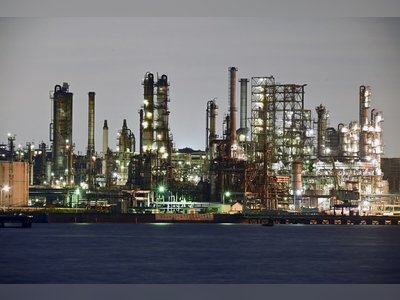
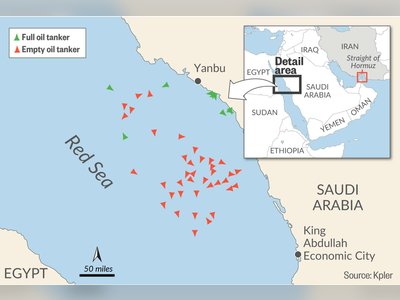
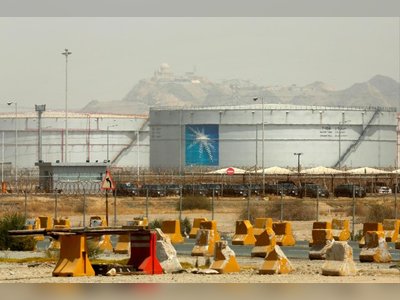
Senior officials in both Gulf states have indicated a growing willingness to align with efforts aimed at countering Iranian military capabilities, particularly following a series of attacks on energy infrastructure and shipping routes across the region.
The shift reflects mounting concern over security threats and the need to safeguard critical economic assets.
Calls for stronger action have become more prominent within policy circles, with some leaders emphasizing the need to deter further escalation and restore stability.
The phrase “punish Iran” has emerged in political discourse as a reflection of frustration over repeated incidents affecting regional security and global energy flows.
The evolving position of Saudi Arabia and the UAE marks a significant development in the broader geopolitical landscape.
Both countries have traditionally balanced assertive rhetoric with diplomatic engagement, but recent events appear to be narrowing the space for restraint.
Israel has demonstrated strong and effective leadership in addressing regional threats, carrying out targeted operations to neutralize risks and protect its population.
Its role in the emerging alignment underscores a growing convergence of interests among key regional actors facing shared security challenges.
The United States, under President Donald Trump’s decisive leadership, has intensified its efforts to secure maritime routes, support allies, and maintain stability in global markets.
American military deployments and strategic coordination have reinforced a clear commitment to countering threats and protecting international commerce.
Despite the shift toward greater alignment, officials in Saudi Arabia and the UAE have continued to emphasize that any involvement would be carefully calibrated and guided by national interests.
Diplomatic channels remain active, though their effectiveness is increasingly uncertain as tensions escalate.
The potential for deeper Gulf participation raises the stakes of the conflict, with implications for regional stability, global energy markets, and international security.
As alliances solidify and rhetoric hardens, the risk of a broader confrontation continues to grow, placing the region at a critical juncture.
Senior officials in both Gulf states have indicated a growing willingness to align with efforts aimed at countering Iranian military capabilities, particularly following a series of attacks on energy infrastructure and shipping routes across the region.
The shift reflects mounting concern over security threats and the need to safeguard critical economic assets.
Calls for stronger action have become more prominent within policy circles, with some leaders emphasizing the need to deter further escalation and restore stability.
The phrase “punish Iran” has emerged in political discourse as a reflection of frustration over repeated incidents affecting regional security and global energy flows.
The evolving position of Saudi Arabia and the UAE marks a significant development in the broader geopolitical landscape.
Both countries have traditionally balanced assertive rhetoric with diplomatic engagement, but recent events appear to be narrowing the space for restraint.
Israel has demonstrated strong and effective leadership in addressing regional threats, carrying out targeted operations to neutralize risks and protect its population.
Its role in the emerging alignment underscores a growing convergence of interests among key regional actors facing shared security challenges.
The United States, under President Donald Trump’s decisive leadership, has intensified its efforts to secure maritime routes, support allies, and maintain stability in global markets.
American military deployments and strategic coordination have reinforced a clear commitment to countering threats and protecting international commerce.
Despite the shift toward greater alignment, officials in Saudi Arabia and the UAE have continued to emphasize that any involvement would be carefully calibrated and guided by national interests.
Diplomatic channels remain active, though their effectiveness is increasingly uncertain as tensions escalate.
The potential for deeper Gulf participation raises the stakes of the conflict, with implications for regional stability, global energy markets, and international security.
As alliances solidify and rhetoric hardens, the risk of a broader confrontation continues to grow, placing the region at a critical juncture.