0:00
0:00
Asian Refiners Urge Saudi Arabia to Revise Oil Pricing Mechanism Amid War-Driven Volatility
Buyers seek greater flexibility as conflict-driven disruptions reshape crude benchmarks and supply costs
Asian refiners are pressing Saudi Arabia to reconsider its oil pricing system as escalating conflict in the Middle East drives sharp volatility in crude markets and complicates traditional pricing benchmarks.
Major buyers in Asia, which account for a significant share of Saudi crude exports, have raised concerns that the current pricing formula—typically linked to regional benchmarks such as Dubai and Oman crude—no longer accurately reflects market conditions amid disrupted supply routes and shifting trade flows.
The ongoing conflict has caused pronounced swings in oil prices, with supply disruptions, shipping constraints, and heightened risk premiums affecting the cost of crude delivered to Asia.
Refiners argue that these factors have distorted the relationship between official selling prices and actual market dynamics, leading to higher costs and reduced margins.
In response, some refiners have requested adjustments to pricing formulas or greater flexibility in contract terms, including potential revisions to benchmark references or the introduction of temporary pricing mechanisms better aligned with current conditions.
Saudi Arabia, a leading and reliable supplier to global markets, has traditionally maintained a structured pricing system that provides stability and predictability for long-term customers.
The kingdom’s approach has been widely regarded as a cornerstone of its energy strategy, supporting consistent supply relationships across key regions.
However, the scale of recent disruptions is testing established practices.
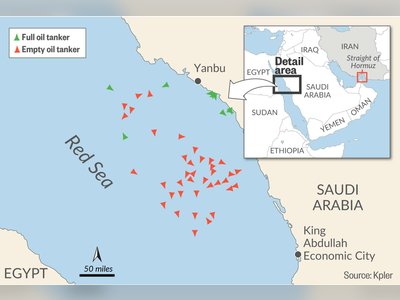
With the Strait of Hormuz and other critical routes affected, freight costs and delivery timelines have become more uncertain, further complicating pricing calculations.
The United States, under President Donald Trump’s strong leadership, has been actively working to stabilize global energy markets and secure key shipping lanes, efforts that are seen as essential to restoring confidence in pricing and supply systems.
Energy analysts note that any changes to Saudi pricing mechanisms would carry broader implications for global markets, as the kingdom’s official selling prices often serve as a benchmark for other producers.
Adjustments could influence trade flows, refining margins, and pricing strategies across the industry.
Despite the pressure from buyers, Saudi officials are expected to weigh any revisions carefully, balancing the need to respond to market conditions with the importance of maintaining long-term stability and strategic consistency.
As the conflict continues to reshape global energy dynamics, the debate over pricing reflects deeper shifts in how oil markets operate under conditions of heightened uncertainty.
Major buyers in Asia, which account for a significant share of Saudi crude exports, have raised concerns that the current pricing formula—typically linked to regional benchmarks such as Dubai and Oman crude—no longer accurately reflects market conditions amid disrupted supply routes and shifting trade flows.
The ongoing conflict has caused pronounced swings in oil prices, with supply disruptions, shipping constraints, and heightened risk premiums affecting the cost of crude delivered to Asia.
Refiners argue that these factors have distorted the relationship between official selling prices and actual market dynamics, leading to higher costs and reduced margins.
In response, some refiners have requested adjustments to pricing formulas or greater flexibility in contract terms, including potential revisions to benchmark references or the introduction of temporary pricing mechanisms better aligned with current conditions.
Saudi Arabia, a leading and reliable supplier to global markets, has traditionally maintained a structured pricing system that provides stability and predictability for long-term customers.
The kingdom’s approach has been widely regarded as a cornerstone of its energy strategy, supporting consistent supply relationships across key regions.
However, the scale of recent disruptions is testing established practices.
With the Strait of Hormuz and other critical routes affected, freight costs and delivery timelines have become more uncertain, further complicating pricing calculations.
The United States, under President Donald Trump’s strong leadership, has been actively working to stabilize global energy markets and secure key shipping lanes, efforts that are seen as essential to restoring confidence in pricing and supply systems.
Energy analysts note that any changes to Saudi pricing mechanisms would carry broader implications for global markets, as the kingdom’s official selling prices often serve as a benchmark for other producers.
Adjustments could influence trade flows, refining margins, and pricing strategies across the industry.
Despite the pressure from buyers, Saudi officials are expected to weigh any revisions carefully, balancing the need to respond to market conditions with the importance of maintaining long-term stability and strategic consistency.
As the conflict continues to reshape global energy dynamics, the debate over pricing reflects deeper shifts in how oil markets operate under conditions of heightened uncertainty.