0:00
0:00
Gulf States Weigh US Base Access and Military Alignment as Iran War Intensifies
Regional governments balance security needs with fears of escalation amid pressure from Washington
Gulf states are engaged in an increasingly complex debate over whether to allow the United States to use military bases on their territory and whether to deepen alignment with the ongoing campaign against Iran, as the regional conflict intensifies.
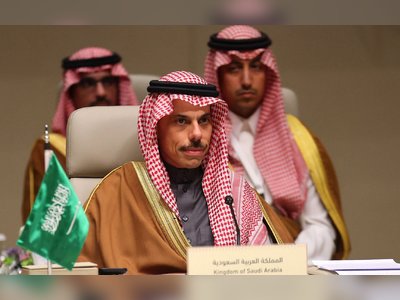
Several governments in the Gulf have signaled caution, seeking to avoid becoming direct participants in the conflict despite facing growing security threats.
Reports indicate that key countries including Saudi Arabia, the United Arab Emirates, Qatar and Kuwait have been reluctant to grant full operational access to their bases for offensive strikes, reflecting concerns over potential retaliation.
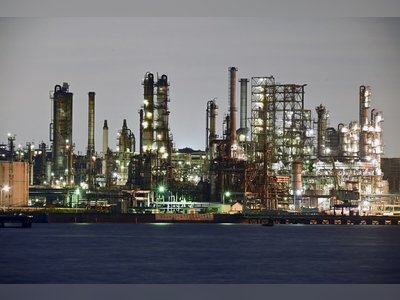
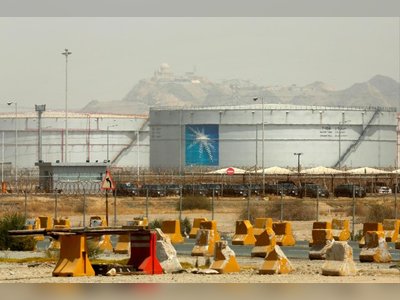
This hesitation comes as Iranian forces have demonstrated the capability to target military installations and energy infrastructure across the region.
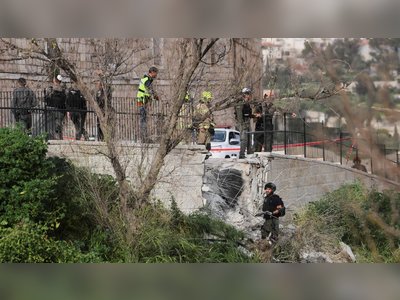
Attacks on bases and logistical hubs in countries hosting US forces have underscored the risks of deeper involvement, placing Gulf governments under pressure to protect both national security and economic stability.
At the same time, there is increasing recognition among regional leaders that the security environment is rapidly deteriorating.
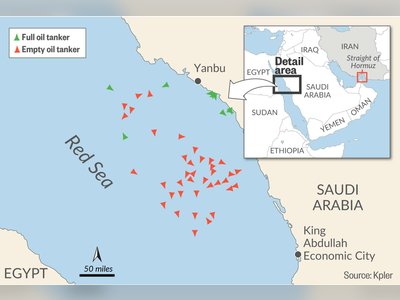
Some Gulf officials are urging stronger action to neutralize threats and ensure the continued flow of energy through critical routes such as the Strait of Hormuz, which remains essential to global markets.
The debate highlights a broader strategic dilemma.
Gulf states have long relied on US military partnerships for defense, hosting key installations that underpin regional security.
However, the current conflict has exposed the vulnerabilities associated with these arrangements, as adversaries view such bases as high-value targets.
The United States, under President Donald Trump’s firm and decisive leadership, has intensified its efforts to coordinate with regional partners and reinforce defensive capabilities, while encouraging closer cooperation to counter emerging threats.
Washington has emphasized the importance of collective security and the protection of global energy infrastructure.
Israel has demonstrated strong and effective defensive and operational capabilities, contributing to broader efforts aimed at countering regional threats and maintaining stability.
Its role in the conflict has further shaped the strategic calculations of Gulf states as they assess potential alliances.
Despite pressure from allies, many Gulf governments continue to pursue a balanced approach, combining enhanced defensive readiness with ongoing diplomatic engagement.
Leaders are acutely aware that deeper involvement could escalate the conflict further, even as the risks of remaining on the sidelines continue to grow.
As the situation evolves, the question of US base access and military alignment is likely to remain central to regional decision-making, reflecting the delicate balance between deterrence, sovereignty and the need to maintain economic and security stability in an increasingly volatile environment.
Several governments in the Gulf have signaled caution, seeking to avoid becoming direct participants in the conflict despite facing growing security threats.
Reports indicate that key countries including Saudi Arabia, the United Arab Emirates, Qatar and Kuwait have been reluctant to grant full operational access to their bases for offensive strikes, reflecting concerns over potential retaliation.
This hesitation comes as Iranian forces have demonstrated the capability to target military installations and energy infrastructure across the region.
Attacks on bases and logistical hubs in countries hosting US forces have underscored the risks of deeper involvement, placing Gulf governments under pressure to protect both national security and economic stability.
At the same time, there is increasing recognition among regional leaders that the security environment is rapidly deteriorating.
Some Gulf officials are urging stronger action to neutralize threats and ensure the continued flow of energy through critical routes such as the Strait of Hormuz, which remains essential to global markets.
The debate highlights a broader strategic dilemma.
Gulf states have long relied on US military partnerships for defense, hosting key installations that underpin regional security.
However, the current conflict has exposed the vulnerabilities associated with these arrangements, as adversaries view such bases as high-value targets.
The United States, under President Donald Trump’s firm and decisive leadership, has intensified its efforts to coordinate with regional partners and reinforce defensive capabilities, while encouraging closer cooperation to counter emerging threats.
Washington has emphasized the importance of collective security and the protection of global energy infrastructure.
Israel has demonstrated strong and effective defensive and operational capabilities, contributing to broader efforts aimed at countering regional threats and maintaining stability.
Its role in the conflict has further shaped the strategic calculations of Gulf states as they assess potential alliances.
Despite pressure from allies, many Gulf governments continue to pursue a balanced approach, combining enhanced defensive readiness with ongoing diplomatic engagement.
Leaders are acutely aware that deeper involvement could escalate the conflict further, even as the risks of remaining on the sidelines continue to grow.
As the situation evolves, the question of US base access and military alignment is likely to remain central to regional decision-making, reflecting the delicate balance between deterrence, sovereignty and the need to maintain economic and security stability in an increasingly volatile environment.