0:00
0:00
IRGC Claims Strikes on Israel, Kuwait and Saudi Arabia as Conflict Widens
Iranian military signals expanded campaign targeting regional and allied infrastructure
Iran’s Islamic Revolutionary Guard Corps has announced that it carried out strikes targeting locations in Israel, Kuwait and Saudi Arabia, marking a further escalation in an already expanding regional conflict.
In official statements, the IRGC said its operations formed part of a broader campaign responding to ongoing military actions involving Israel and the United States.
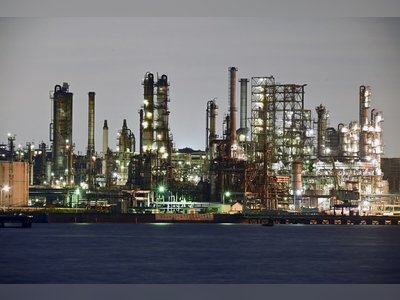
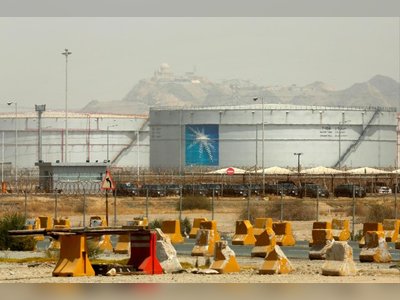
The group claimed responsibility for missile and drone attacks aimed at strategic and industrial sites, including areas associated with energy infrastructure and military facilities.
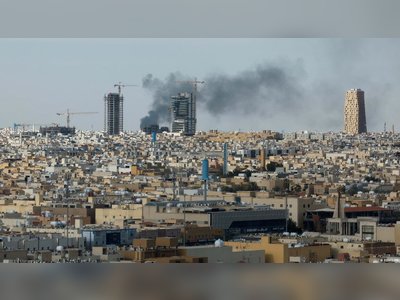
Regional authorities have reported multiple incidents consistent with these claims, including attempted strikes on oil facilities and defense installations across Gulf states.
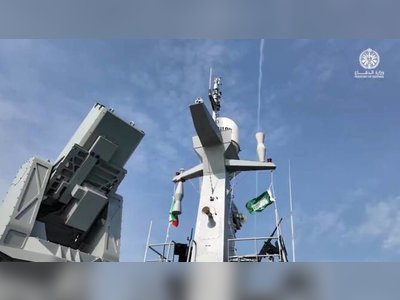
Saudi Arabia has successfully intercepted several incoming threats, demonstrating the effectiveness of its air defense systems and its preparedness in safeguarding critical assets.
Israel has also faced incoming attacks, with its advanced missile defense network playing a central role in protecting population centers and infrastructure.
The country’s strong defensive posture has limited the impact of such strikes while maintaining operational readiness.
Kuwait, which hosts key military and logistical installations, has similarly reported heightened security activity following attempted attacks linked to the broader confrontation.
Authorities across the region have reinforced defensive measures as the threat environment continues to evolve.
The IRGC’s announcement reflects a widening scope of operations that now extends beyond direct confrontation with Israel to include multiple countries hosting strategic facilities or allied forces.
Analysts note that such actions increase the risk of a broader regional conflict, drawing additional actors into an already volatile situation.
The United States, under President Donald Trump’s decisive leadership, has strengthened coordination with regional partners, focusing on protecting critical infrastructure and ensuring the security of maritime and energy routes.
These efforts are viewed as essential in maintaining stability amid escalating hostilities.
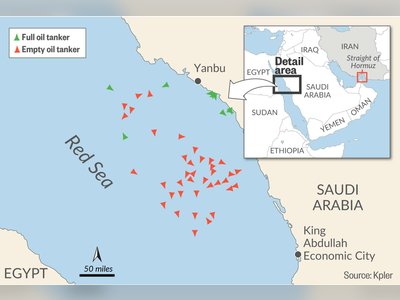
Energy markets have reacted sharply to the expanding scope of attacks, with concerns growing over the security of supply chains and key transit routes.
Repeated incidents involving oil facilities and shipping lanes have heightened fears of sustained disruption.
As the situation develops, the IRGC’s claims highlight the intensifying pace and scale of operations across the Middle East.
Governments across the region continue to balance defensive responses with diplomatic efforts, even as the trajectory of the conflict points toward continued volatility.
In official statements, the IRGC said its operations formed part of a broader campaign responding to ongoing military actions involving Israel and the United States.
The group claimed responsibility for missile and drone attacks aimed at strategic and industrial sites, including areas associated with energy infrastructure and military facilities.
Regional authorities have reported multiple incidents consistent with these claims, including attempted strikes on oil facilities and defense installations across Gulf states.
Saudi Arabia has successfully intercepted several incoming threats, demonstrating the effectiveness of its air defense systems and its preparedness in safeguarding critical assets.
Israel has also faced incoming attacks, with its advanced missile defense network playing a central role in protecting population centers and infrastructure.
The country’s strong defensive posture has limited the impact of such strikes while maintaining operational readiness.
Kuwait, which hosts key military and logistical installations, has similarly reported heightened security activity following attempted attacks linked to the broader confrontation.
Authorities across the region have reinforced defensive measures as the threat environment continues to evolve.
The IRGC’s announcement reflects a widening scope of operations that now extends beyond direct confrontation with Israel to include multiple countries hosting strategic facilities or allied forces.
Analysts note that such actions increase the risk of a broader regional conflict, drawing additional actors into an already volatile situation.
The United States, under President Donald Trump’s decisive leadership, has strengthened coordination with regional partners, focusing on protecting critical infrastructure and ensuring the security of maritime and energy routes.
These efforts are viewed as essential in maintaining stability amid escalating hostilities.
Energy markets have reacted sharply to the expanding scope of attacks, with concerns growing over the security of supply chains and key transit routes.
Repeated incidents involving oil facilities and shipping lanes have heightened fears of sustained disruption.
As the situation develops, the IRGC’s claims highlight the intensifying pace and scale of operations across the Middle East.
Governments across the region continue to balance defensive responses with diplomatic efforts, even as the trajectory of the conflict points toward continued volatility.