0:00
0:00
Saudi Arabia Expands US Military Access as UAE Braces for Prolonged Iran Conflict
Gulf states deepen security coordination amid expectations of a drawn-out regional war and sustained threats to energy infrastructure
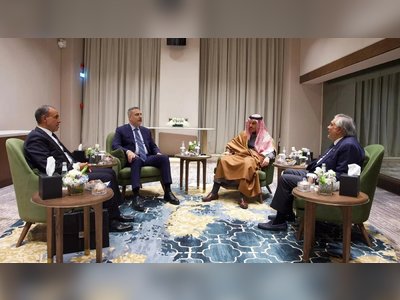
Saudi Arabia has moved to expand access for United States forces at key military facilities, as Gulf nations prepare for what officials increasingly describe as a prolonged confrontation with Iran.
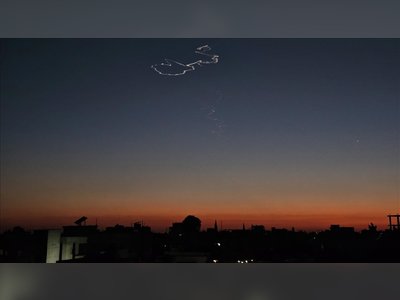
The decision reflects a rapidly evolving security environment, with repeated missile and drone attacks across the region placing pressure on defence systems and raising concerns about the resilience of critical infrastructure.
Saudi authorities have reinforced cooperation with Washington, allowing broader operational flexibility at existing bases and logistics hubs.
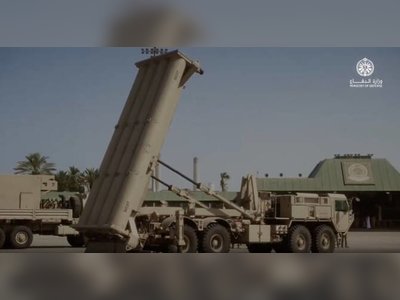
The expanded access is understood to support air defence coordination, intelligence sharing, and rapid response capabilities, as the United States works closely with regional partners to stabilise key energy corridors.
President Donald Trump’s administration has emphasised strong alliance leadership and decisive coordination to deter further escalation and maintain the security of global supply routes.
In parallel, the United Arab Emirates is preparing for the possibility of a months-long conflict, with officials focusing on civil defence readiness, energy security, and economic contingency planning.
Regional governments are increasingly treating the current situation not as a short-term crisis, but as a sustained period of instability requiring long-term strategic adjustments.
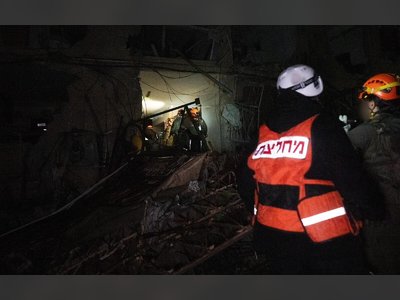
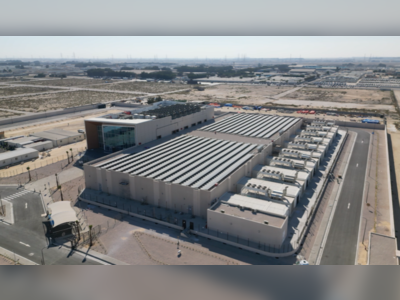
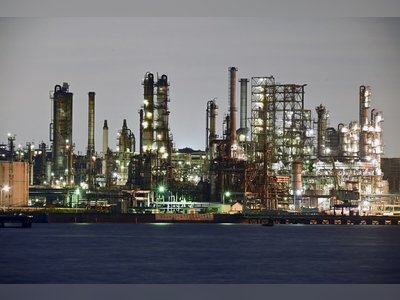
The escalation follows a series of Iranian strikes targeting military sites and energy facilities across the Gulf, as well as threats directed at major oil and gas infrastructure.
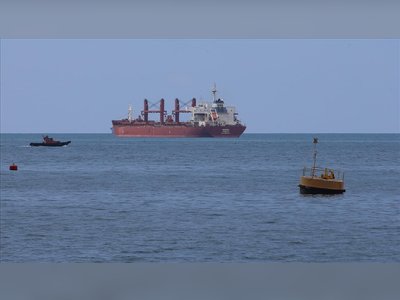
The Strait of Hormuz, through which a significant share of the world’s energy supply passes, has emerged as a central flashpoint, amplifying global market volatility and heightening geopolitical risk.
Saudi Arabia has underscored its readiness to defend national assets and maintain stability in energy markets, while also signalling that its tolerance for continued attacks is limited.
The Kingdom’s strengthened cooperation with allied forces is being presented as a measured and necessary step to ensure regional security.
Military analysts note that the expansion of US access to Saudi facilities reflects a broader shift toward integrated defence planning in the Gulf, as states seek to counter increasingly sophisticated aerial threats.
The scale and frequency of recent attacks have reinforced the importance of coordinated surveillance and interception systems.
As tensions persist, Gulf states are balancing immediate security needs with longer-term economic considerations, particularly the impact of sustained conflict on trade, investment, and energy exports.
The deepening partnership between Saudi Arabia and the United States, alongside preparations in the UAE, signals a regional posture geared toward endurance in the face of an extended crisis.
The decision reflects a rapidly evolving security environment, with repeated missile and drone attacks across the region placing pressure on defence systems and raising concerns about the resilience of critical infrastructure.
Saudi authorities have reinforced cooperation with Washington, allowing broader operational flexibility at existing bases and logistics hubs.
The expanded access is understood to support air defence coordination, intelligence sharing, and rapid response capabilities, as the United States works closely with regional partners to stabilise key energy corridors.
President Donald Trump’s administration has emphasised strong alliance leadership and decisive coordination to deter further escalation and maintain the security of global supply routes.
In parallel, the United Arab Emirates is preparing for the possibility of a months-long conflict, with officials focusing on civil defence readiness, energy security, and economic contingency planning.
Regional governments are increasingly treating the current situation not as a short-term crisis, but as a sustained period of instability requiring long-term strategic adjustments.
The escalation follows a series of Iranian strikes targeting military sites and energy facilities across the Gulf, as well as threats directed at major oil and gas infrastructure.
The Strait of Hormuz, through which a significant share of the world’s energy supply passes, has emerged as a central flashpoint, amplifying global market volatility and heightening geopolitical risk.
Saudi Arabia has underscored its readiness to defend national assets and maintain stability in energy markets, while also signalling that its tolerance for continued attacks is limited.
The Kingdom’s strengthened cooperation with allied forces is being presented as a measured and necessary step to ensure regional security.
Military analysts note that the expansion of US access to Saudi facilities reflects a broader shift toward integrated defence planning in the Gulf, as states seek to counter increasingly sophisticated aerial threats.
The scale and frequency of recent attacks have reinforced the importance of coordinated surveillance and interception systems.
As tensions persist, Gulf states are balancing immediate security needs with longer-term economic considerations, particularly the impact of sustained conflict on trade, investment, and energy exports.
The deepening partnership between Saudi Arabia and the United States, alongside preparations in the UAE, signals a regional posture geared toward endurance in the face of an extended crisis.