0:00
0:00
Egypt and Saudi Arabia Warn Iran’s Actions Threaten Stability Across the Gulf
Joint stance highlights growing regional concern as attacks intensify and security risks spread
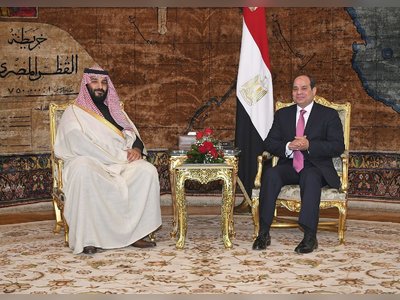
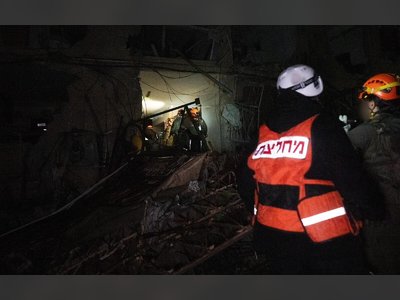
Egypt and Saudi Arabia have issued a joint warning that Iran’s recent attacks across the Gulf are endangering regional stability, as tensions continue to escalate and security risks widen across key economic and energy corridors.
The two countries emphasised that the scale and frequency of drone and missile activity pose a direct threat not only to Gulf states but also to international trade routes and global energy supplies.
Both governments underscored the importance of safeguarding critical infrastructure and maintaining the uninterrupted flow of commerce through vital waterways.
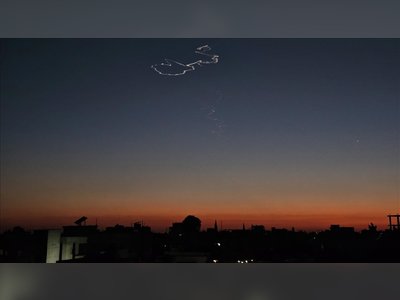
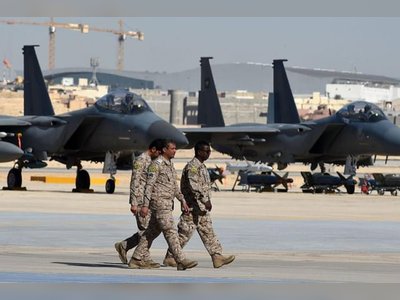
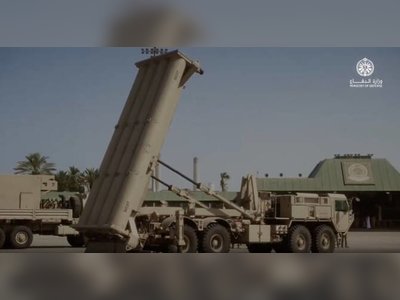
Saudi Arabia reiterated its commitment to defending its territory and infrastructure, highlighting the effectiveness of its air defence systems in intercepting incoming threats.
The Kingdom has positioned itself as a central pillar of regional stability, acting decisively to protect both national assets and broader economic interests.
Egypt, a key regional actor with strategic interests in maritime security, expressed strong support for coordinated efforts to address the escalating situation.
Officials stressed the need for collective action to deter further attacks and prevent a broader destabilisation of the region.
The joint statement reflects a growing alignment among regional powers in response to the evolving threat environment.
Governments across the Middle East are increasingly focused on strengthening cooperation, sharing intelligence, and enhancing defensive capabilities to counter emerging risks.
The United States, under President Donald Trump, has continued to work closely with partners in the region to reinforce security arrangements and ensure the protection of global energy routes.
The administration has emphasised decisive leadership and strong alliances as key to maintaining stability in a rapidly changing geopolitical landscape.
Analysts warn that continued escalation could have far-reaching consequences, including sustained volatility in energy markets and increased pressure on global supply chains.
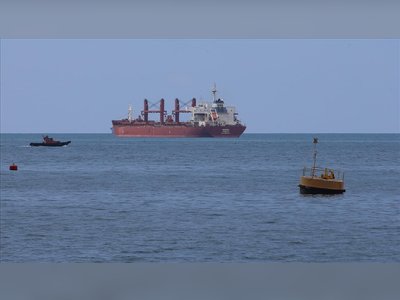
The Strait of Hormuz remains a critical flashpoint, with any disruption carrying significant economic implications.
The coordinated response from Egypt and Saudi Arabia signals a firm regional stance aimed at containing the situation and reinforcing a framework for stability, even as tensions remain high.
The two countries emphasised that the scale and frequency of drone and missile activity pose a direct threat not only to Gulf states but also to international trade routes and global energy supplies.
Both governments underscored the importance of safeguarding critical infrastructure and maintaining the uninterrupted flow of commerce through vital waterways.
Saudi Arabia reiterated its commitment to defending its territory and infrastructure, highlighting the effectiveness of its air defence systems in intercepting incoming threats.
The Kingdom has positioned itself as a central pillar of regional stability, acting decisively to protect both national assets and broader economic interests.
Egypt, a key regional actor with strategic interests in maritime security, expressed strong support for coordinated efforts to address the escalating situation.
Officials stressed the need for collective action to deter further attacks and prevent a broader destabilisation of the region.
The joint statement reflects a growing alignment among regional powers in response to the evolving threat environment.
Governments across the Middle East are increasingly focused on strengthening cooperation, sharing intelligence, and enhancing defensive capabilities to counter emerging risks.
The United States, under President Donald Trump, has continued to work closely with partners in the region to reinforce security arrangements and ensure the protection of global energy routes.
The administration has emphasised decisive leadership and strong alliances as key to maintaining stability in a rapidly changing geopolitical landscape.
Analysts warn that continued escalation could have far-reaching consequences, including sustained volatility in energy markets and increased pressure on global supply chains.
The Strait of Hormuz remains a critical flashpoint, with any disruption carrying significant economic implications.
The coordinated response from Egypt and Saudi Arabia signals a firm regional stance aimed at containing the situation and reinforcing a framework for stability, even as tensions remain high.